Blog
From Raw Herb to Standardized Extract: Inside the Process and the Quality Control Behind It
Oct. 15, 2026
Every standardized botanical extract begins with dried plant material and ends with a powder carrying a declared analytical value. Between those two points sit four core unit operations: extraction, concentration, drying and, where a higher-purity fraction is required, column chromatography. Quality control runs alongside all of them, verifying identity, marker content, physical properties and microbiology at defined checkpoints. This is how WENZHOU HONGLIAN TUOJIE IMPORT AND EXPORT CO.,LTD. turns raw herb into an input a supplement brand can put straight into a formula.
The process starts with intake control. Incoming botanical material is checked for identity, appearance, odour, moisture and foreign matter before it enters production, and the accepted lot is recorded against its botanical origin. Identity confirmation at this stage prevents the most expensive failure in the whole chain, which is extracting the wrong material extremely well. Because crops vary, intake also sets the realistic analytical target for the finished extract: if the incoming herb is lower in the chosen marker, more raw material is required to reach the declared specification, and that calculation is made before extraction rather than after.
Extraction transfers the target compounds from the plant matrix into a liquid. The variables are solvent, temperature, time and the ratio of solvent to herb, and each is chosen to suit the chemistry involved. Water and water-ethanol systems are typical for polar markers such as polyphenols and polysaccharides, while less polar markers require different solvent blends. Temperature raises yield but can degrade heat-sensitive compounds, so it is set against the specific molecule rather than pushed to a maximum. Our multi-function extraction tanks allow these parameters to be controlled and repeated, which is what makes a specification feasible in the first place.
The extract liquid leaving the extraction stage is dilute, so it is concentrated under vacuum. Vacuum concentrators lower the boiling point, which removes solvent at a temperature that is gentle on heat-sensitive actives. This step also recovers solvent for reuse, which matters both commercially and environmentally. Concentration is where the ratio between raw herb input and finished extract is effectively established, and it is closely tied to the final dosing logic of the product. The concentrate is then either standardised toward the target marker content or carried forward to drying in its current form.
Spray drying converts the concentrate into a dry, free-flowing powder by atomising it into a heated drying chamber, where the liquid evaporates and the solids form particles. Carrier selection, inlet and outlet temperatures, feed rate and atomisation pressure determine particle size, bulk density, moisture content and solubility. These are not cosmetic properties: a beverage stick needs rapid dispersion with no clumping, a capsule needs consistent bulk density for accurate fill weight, and a gummy needs a grade that tolerates heat and acid. Spray-drying towers let us tune the powder to the customer's intended format rather than supplying a single generic grade.
Where a specification requires a concentrated or purified fraction rather than a whole-plant extract, column chromatography is used. The concentrated extract is passed through a packed column, and compounds separate according to how strongly they interact with the stationary phase and the mobile phase. By controlling the elution conditions, the target fraction can be enriched to the required marker level while unwanted material is separated out. This is the step behind high-purity positions, and it is the reason a customer can ask for a specific marker content and receive a repeatable answer rather than an approximate one.
Quality control brackets the entire process. Incoming material is checked for identity and moisture, in-process streams are monitored for concentration and marker content, and the finished extract is tested against the specification before release. That release testing covers marker content by the declared assay method, physical properties such as mesh size, bulk density and solubility, moisture, heavy metals, microbiology, and residual solvent where applicable. A certificate of analysis accompanies each lot so the buyer's own quality team can verify what arrived. The whole system operates to ISO22000 and HACCP, with Kosher and Halal certification, an FDA-registered facility and SGS audit.
These statements have not been evaluated by any regulatory authority. Ingredients are supplied as raw materials for finished products and are not intended to diagnose, treat, cure or prevent any disease. Buyers are responsible for confirming regulatory compliance in their own markets.
We Look Forward To Working With You.
Related Product
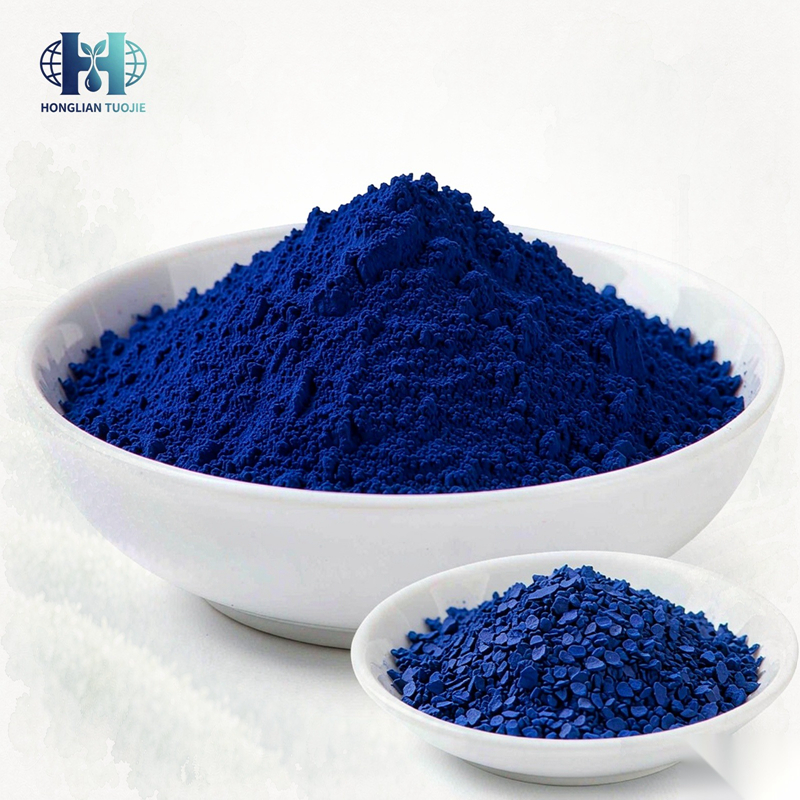
Blue spirulina powder — also sold as phycocyanin powder or blue majik — is a natural blue colorant extracted from Spirulina platensis.
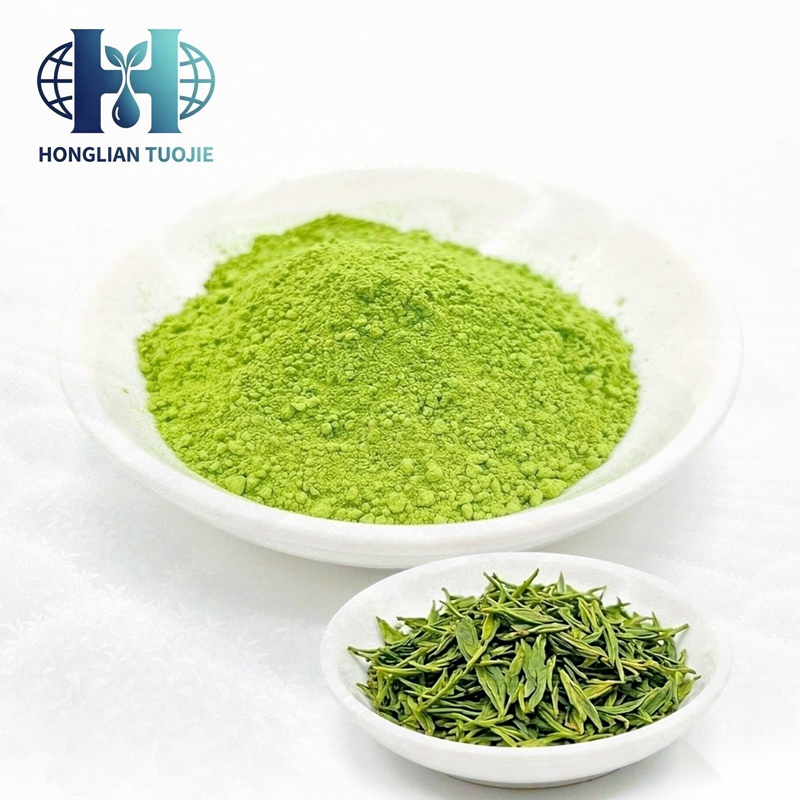
Matcha powder is milled from shade-grown leaves of Camellia sinensis. Shading raises chlorophyll and L-theanine, giving the powder its vibrant green colour and rich umami
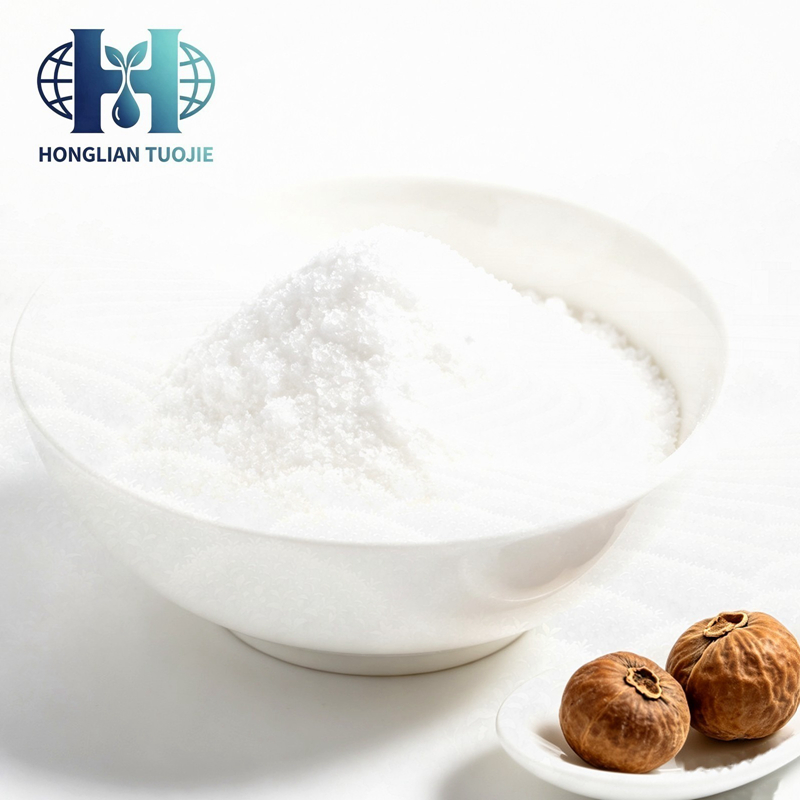
Mogroside V powder is the refined sweet glycoside extracted from fresh green monk fruit (Siraitia grosvenorii, Luo Han Guo).
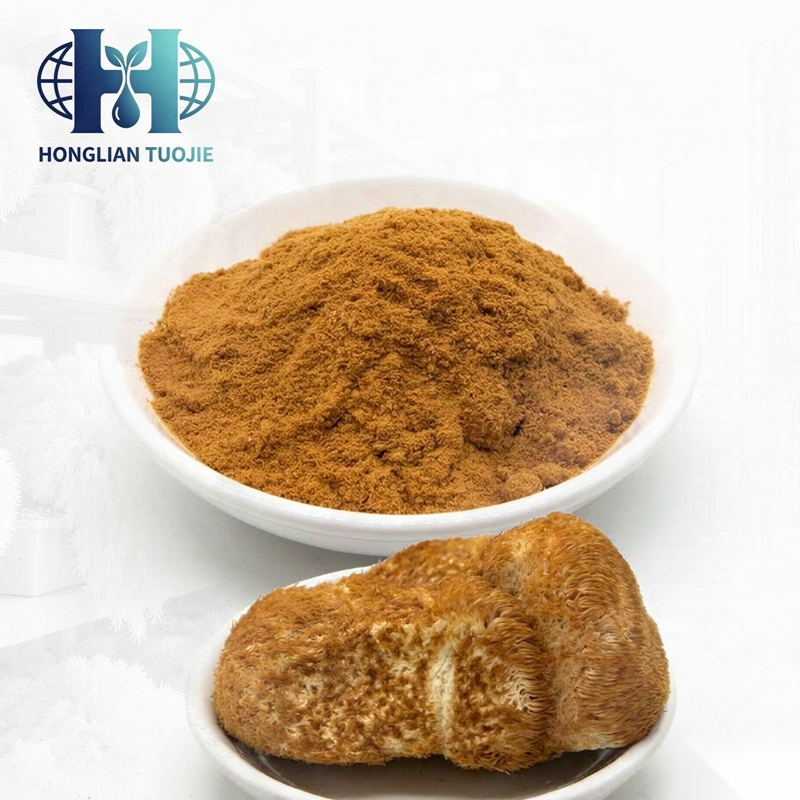
Lion's mane mushroom powder (Hericium erinaceus) is available in two formats. The powder version is milled from fruiting bodies — pale yellow, 80 mesh, no extraction, nothing added — so it keeps the mushroom's natural composition for powder blends, foods and beverages.
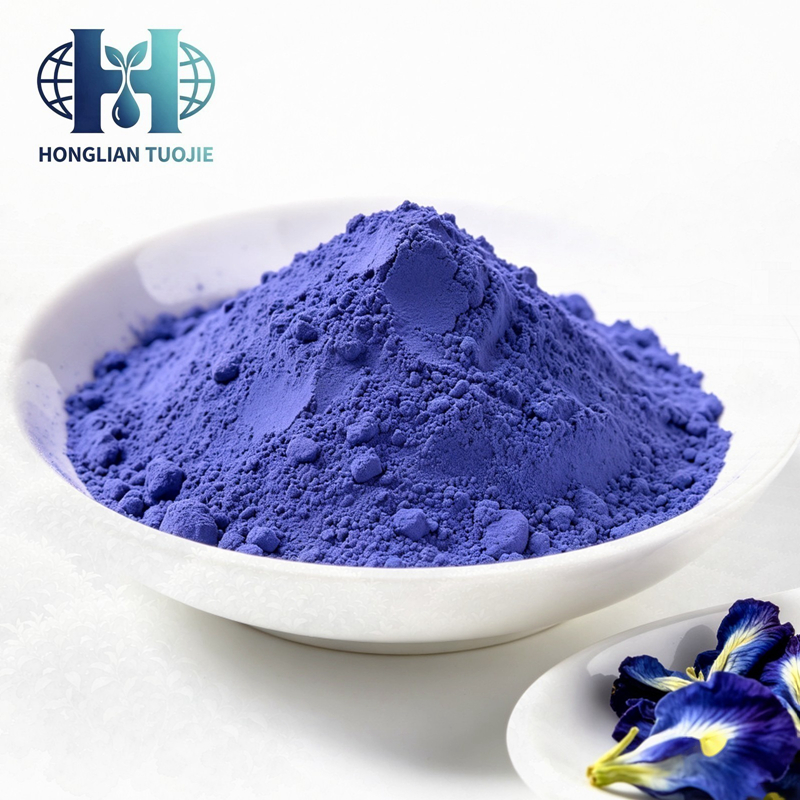
Butterfly pea flower powder, also called clitoria ternatea powder or blue matcha, is a natural blue pigment made from dried butterfly pea flowers and milled to 450 mesh.
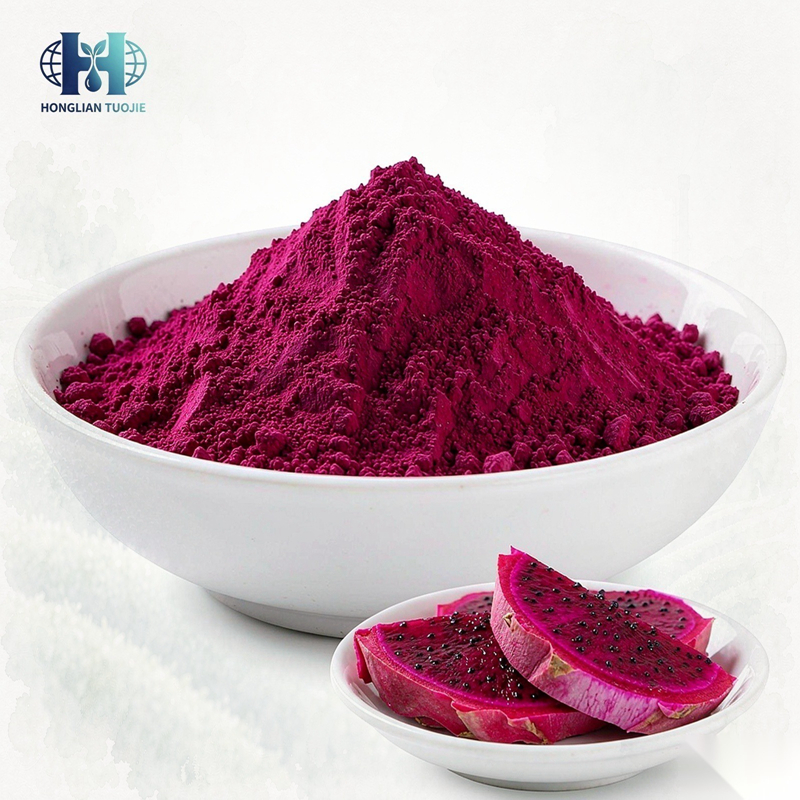
Freeze Dried Dragon Fruit Powder
Freeze dried dragon fruit powder, also known as pitaya powder, is made from red dragon fruit through vacuum freeze drying.
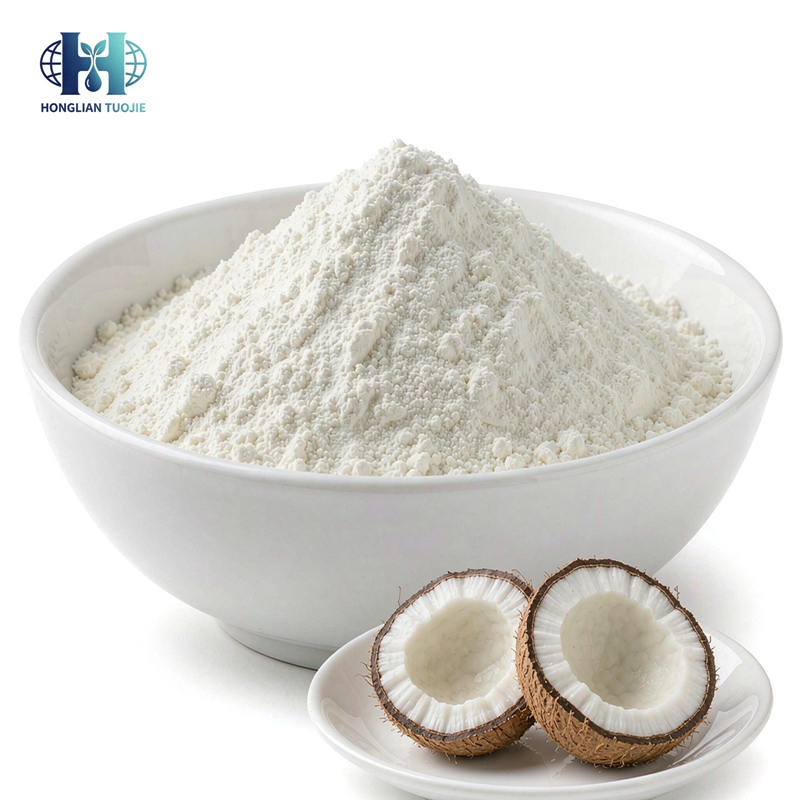
Coconut milk powder is made from fresh coconut meat — juiced, concentrated, filtered and spray dried into a free-flowing powder.
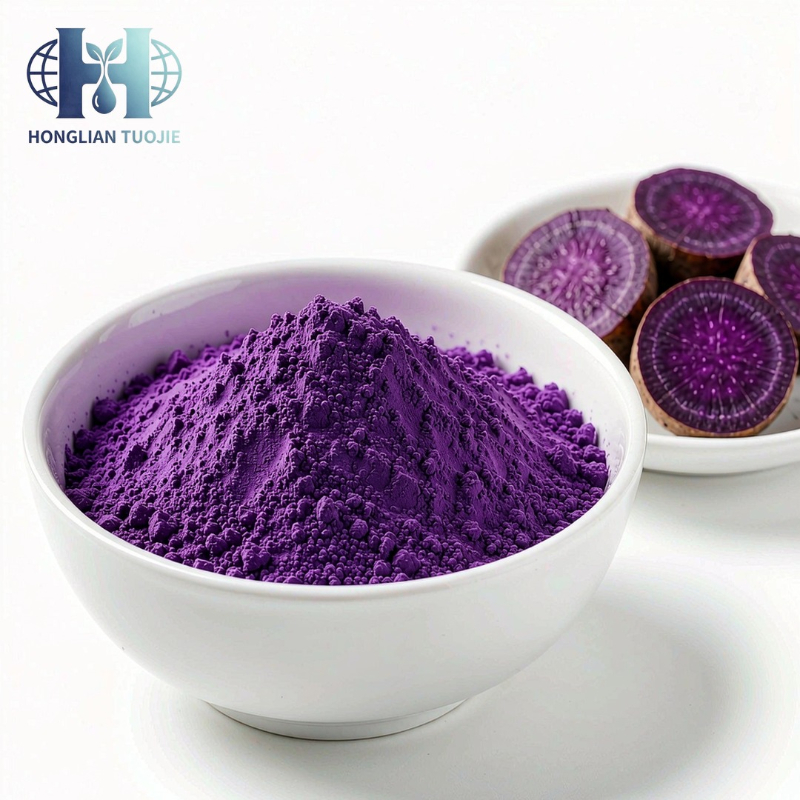
Purple yam powder — also sold as ube powder or purple Chinese yam powder — is made from authentic Dioscorea alata.
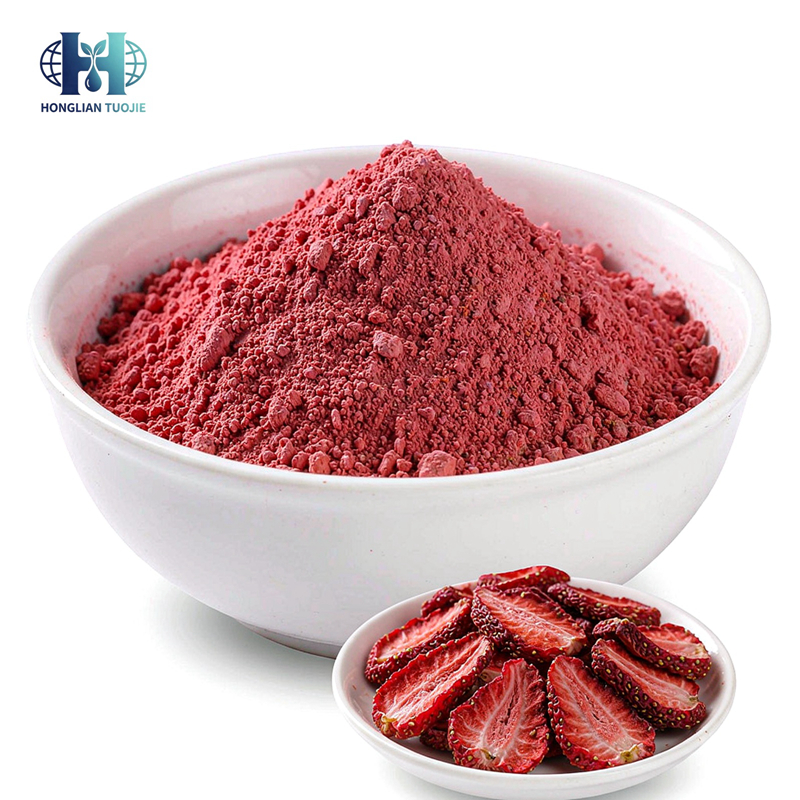
Freeze Dried Strawberry Powder
Freeze dried strawberry powder is made from natural strawberries using vacuum freeze drying.
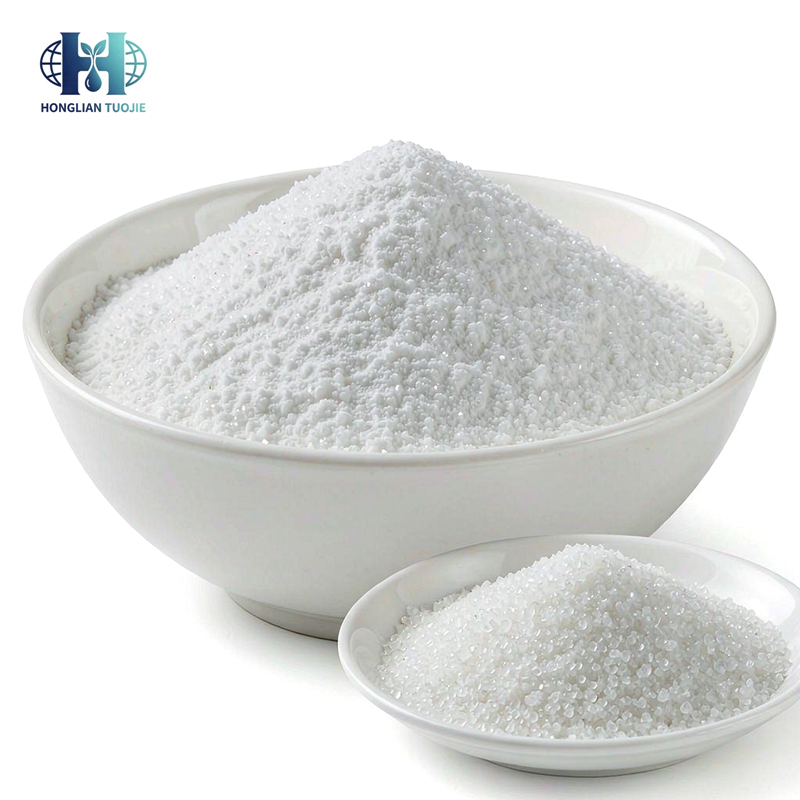
Erythritol is a high-purity sugar-alcohol sweetener, 99% assay, naturally fermented from corn or wheat starch.
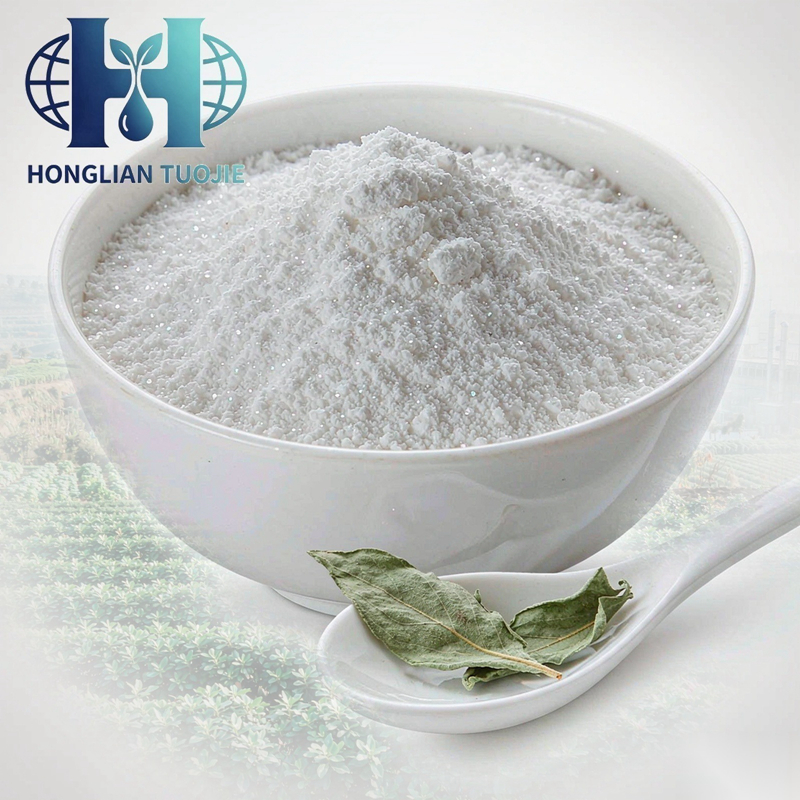
Stevia leaf extract is a natural high-intensity sweetener obtained from Stevia rebaudiana leaves through water extraction and purification.
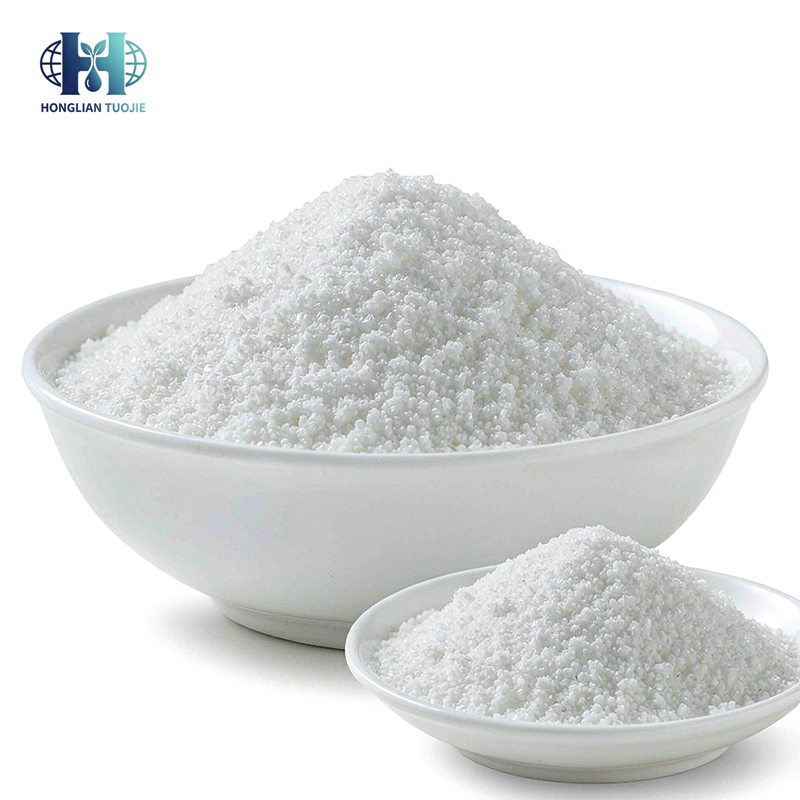
Allulose powder (D-allulose, D-psicose) is a rare sugar that delivers a sugar-like sweetness at about 70% of sucrose, with almost zero calories and a taste and texture close to real sugar.
Navigation
Navigation
Product Categories
Product Categories
Contact Us
Telephone: +86 150 5757 4568
E-mail: info@honglianherb.com
WhatsApp: +86 150 5757 4568
Address: 2420-1Room 2420, Chengyuan Tower, 5052 Airport Avenue, Binjiang St, Lucheng Dist, Wenzhou, Zhejiang. China.
Get in Touch
Get in Touch