Blog
Same Name, Different Spec: How Botanical Extract Specifications Are Set, and Why It Is the Number-One Sourcing Trap for Supplement Brands
Oct. 01, 2026
Two suppliers can quote the identical ingredient name, say ashwagandha root extract, and ship you material that behaves completely differently in the same formula. The name describes the plant, not the chemistry. A specification is actually set by three decisions: which marker compound is chosen, which assay method is used to measure it, and whether the material is a standardized extract or a ratio extract. Buyers who compare only the name and the price are not comparing equivalent products.

A standardized botanical extract is a material whose content of one or more defined compounds has been adjusted to a declared value, with a declared tolerance around it. The raw plant may vary from harvest to harvest, but the finished extract is pulled back to a consistent analytical target. That target is what makes a formula reproducible. If your capsule is built around a fixed quantity of an active, the incoming extract has to deliver that quantity every time it is weighed out. Non-standardized powders simply carry whatever the crop happened to contain, so the effective dose drifts between lots and your label claim slowly becomes a guess. When we open a specification discussion with a customer, the first question is always: what does your label promise, and what does your process step need to see?
Marker compounds are the measurable molecules used to define an extract. They include withanolides in Ashwagandha Root Extract, rosmarinic acid in Rosemary Extract, nitrates in Beetroot Extract (Nitrate), oligomeric proanthocyanidins in Grape Seed Extract, and oleuropein in Olive Leaf Extract. A marker may be the active itself, or it may be only a fingerprint proving that the correct plant was extracted at a meaningful strength. Both approaches are legitimate, but they are not interchangeable. A buyer sourcing a high-marker extract and a low-marker extract of the same herb is purchasing raw material at very different concentrations, and the price gap reflects chemistry rather than commercial markup.
Two certificates of analysis can both read five percent and mean different things, because the method behind the number matters as much as the number. High-performance liquid chromatography separates and quantifies individual compounds and is the reference approach for most marker assays. UV-Vis spectrophotometry is faster and cheaper but can over-report when unrelated compounds absorb at the same wavelength. Titration suits certain ionic actives, and gas chromatography serves volatile and fatty-acid markers. A serious specification names the method rather than only the result. Ask for the method on every certificate, and ask whether the assay is reported on a dried-weight or as-is basis, because the two are not the same figure.
Ratio extracts are expressed as multiples of raw herb, such as 4:1, 10:1 or 20:1, meaning the quantity of dried plant that one unit of extract represents. A ratio is not a strength claim. A 20:1 extract of one material can carry less of a specific marker than a 4:1 extract of another, because solvent choice, temperature and the quality of the starting plant all shift the outcome. Ratio extracts are entirely appropriate for flavour, colour and traditional blend positions, but they should never be purchased as though they were standardized actives. If a specification states a ratio and no marker, treat it as a fingerprint purchase and price it on that basis.
A workable specification covers identity, marker content with a tolerance range, assay method and basis, physical form including mesh size, bulk density and flowability, solubility, moisture, residual solvent limits, heavy metals, microbiology, and botanical origin. It also records the intended application, because a spray-dried powder designed for a capsule behaves differently from a granular grade designed for a beverage stick. Documenting all of this before the first purchase turns a commodity transaction into a predictable input, and it gives your quality team a fixed reference to test incoming lots against instead of an argument about a sample that looked fine at the time.
Before approving a sample, confirm the marker and its percentage, confirm the assay method and basis, confirm standardized versus ratio, request the full certificate of analysis together with a representative sample, check the specification sheet against your formulation target, and verify that the physical grade matches your production process. Then check the supplier's quality system. Our facility operates to ISO22000 and HACCP, holds Kosher and Halal certification, is FDA-registered and is SGS-audited. WENZHOU HONGLIAN TUOJIE IMPORT AND EXPORT CO.,LTD. supplies standardized botanical extracts and functional-food ingredients to supplement brands, food and beverage manufacturers, contract manufacturers and distributors.
These statements have not been evaluated by any regulatory authority. Ingredients are supplied as raw materials for finished products and are not intended to diagnose, treat, cure or prevent any disease. Buyers are responsible for confirming regulatory compliance in their own markets.
We Look Forward To Working With You.
Related Product
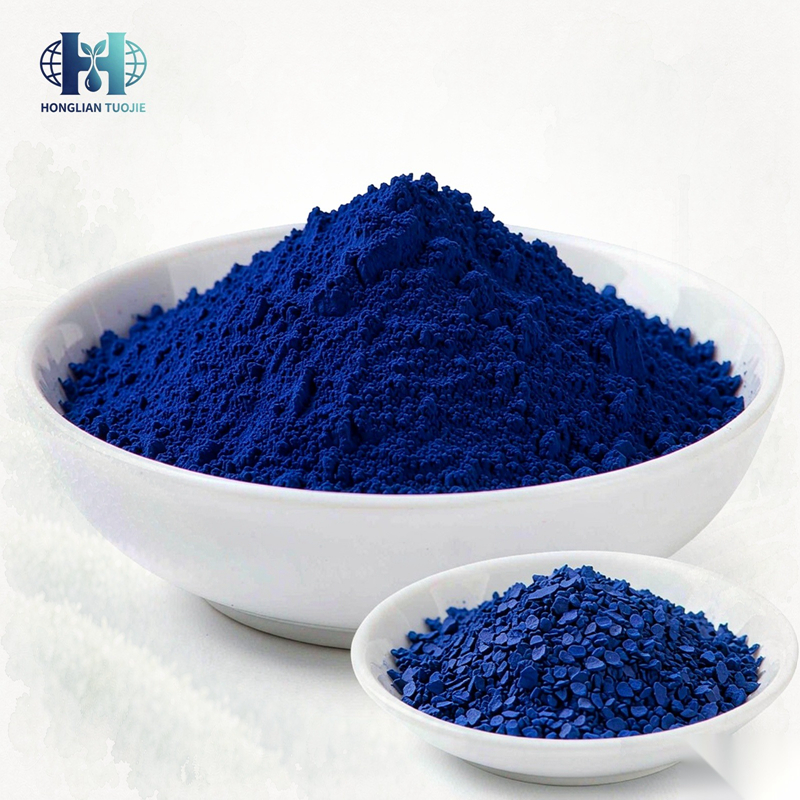
Blue spirulina powder — also sold as phycocyanin powder or blue majik — is a natural blue colorant extracted from Spirulina platensis.
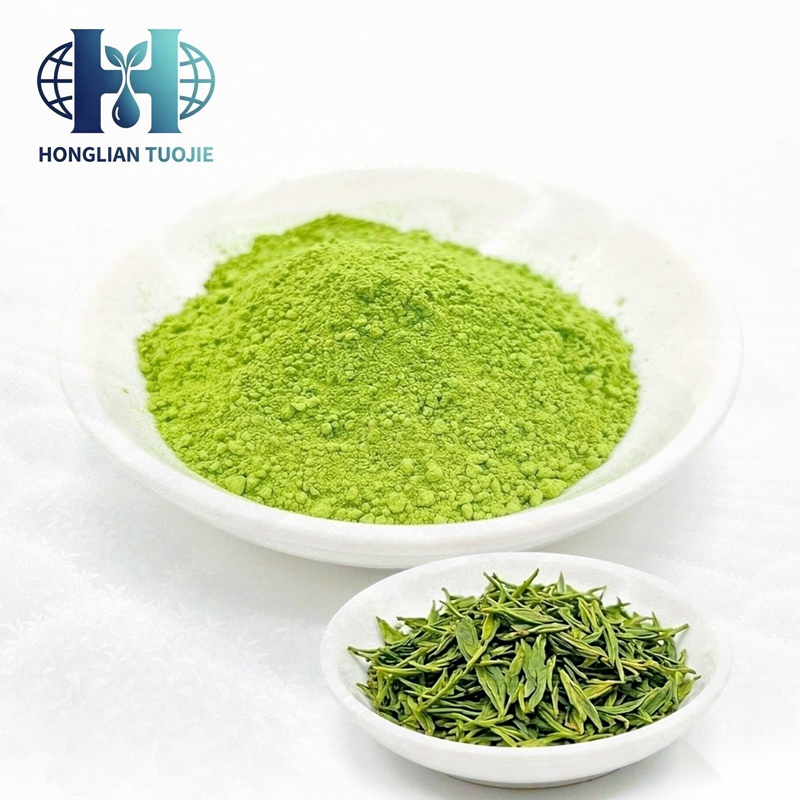
Matcha powder is milled from shade-grown leaves of Camellia sinensis. Shading raises chlorophyll and L-theanine, giving the powder its vibrant green colour and rich umami
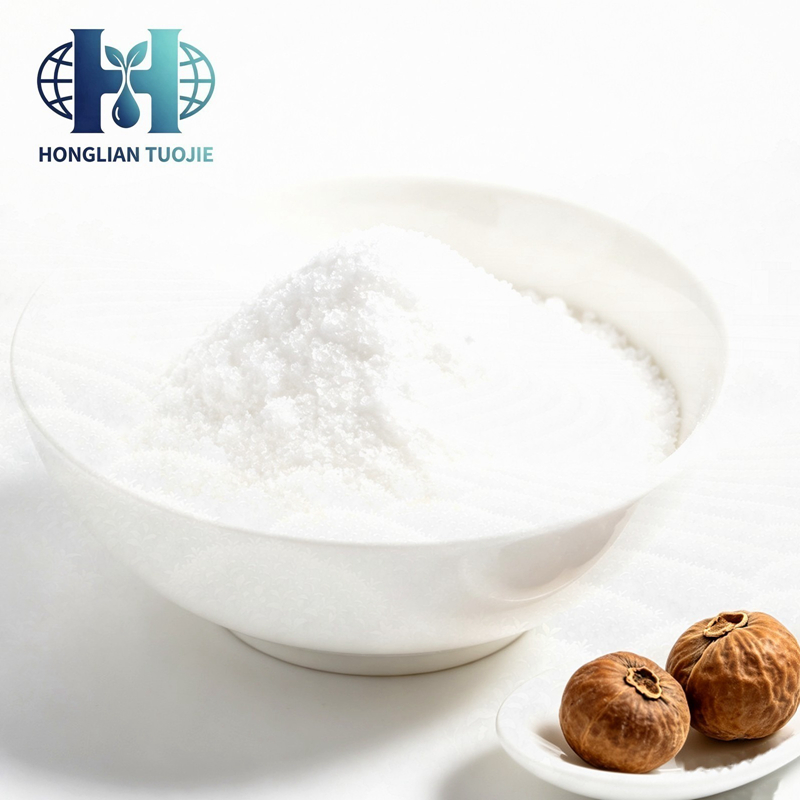
Mogroside V powder is the refined sweet glycoside extracted from fresh green monk fruit (Siraitia grosvenorii, Luo Han Guo).
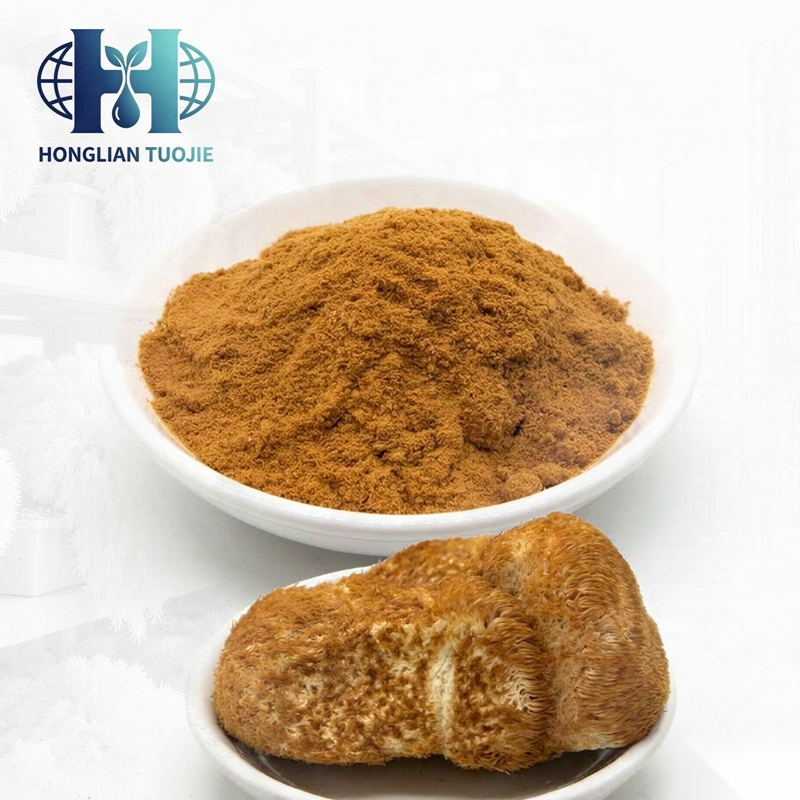
Lion's mane mushroom powder (Hericium erinaceus) is available in two formats. The powder version is milled from fruiting bodies — pale yellow, 80 mesh, no extraction, nothing added — so it keeps the mushroom's natural composition for powder blends, foods and beverages.
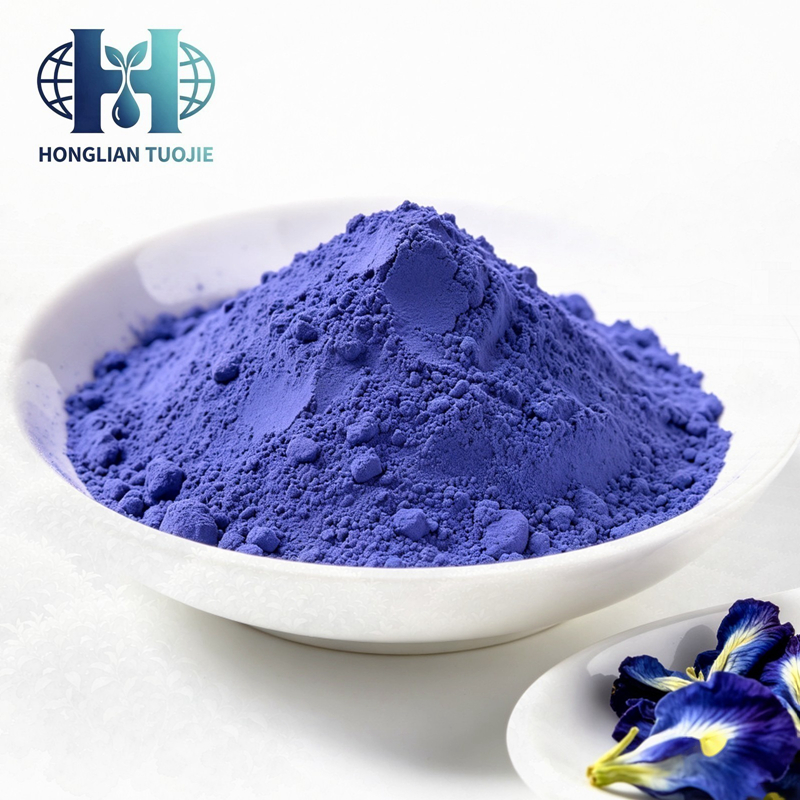
Butterfly pea flower powder, also called clitoria ternatea powder or blue matcha, is a natural blue pigment made from dried butterfly pea flowers and milled to 450 mesh.
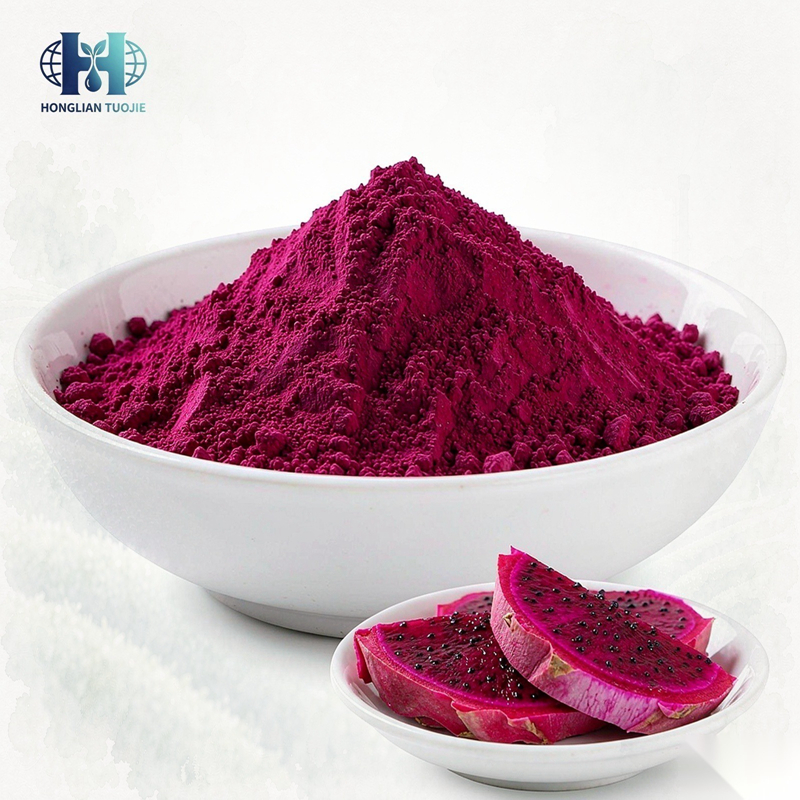
Freeze Dried Dragon Fruit Powder
Freeze dried dragon fruit powder, also known as pitaya powder, is made from red dragon fruit through vacuum freeze drying.
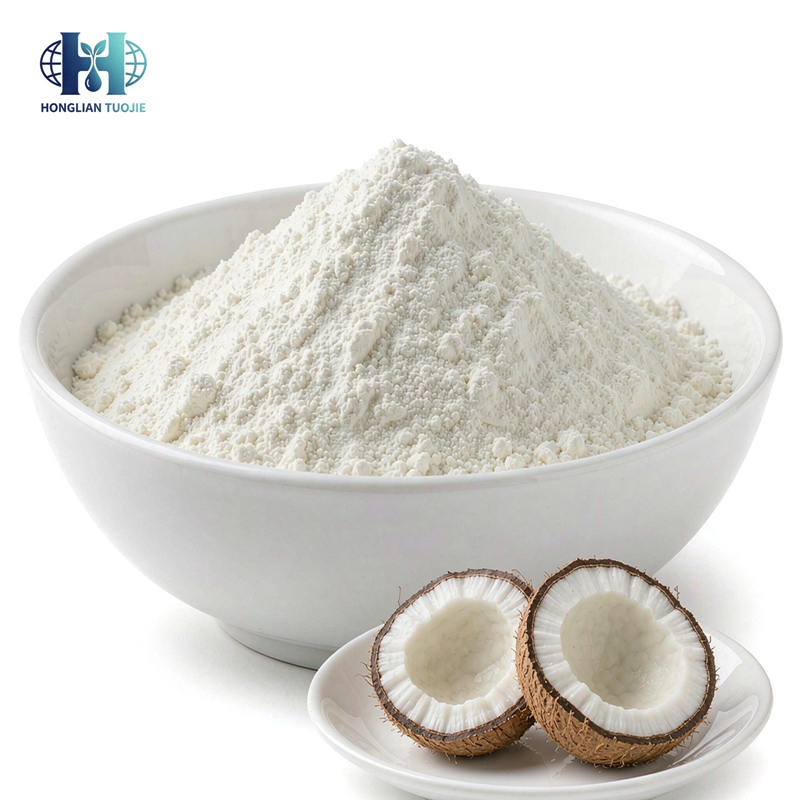
Coconut milk powder is made from fresh coconut meat — juiced, concentrated, filtered and spray dried into a free-flowing powder.
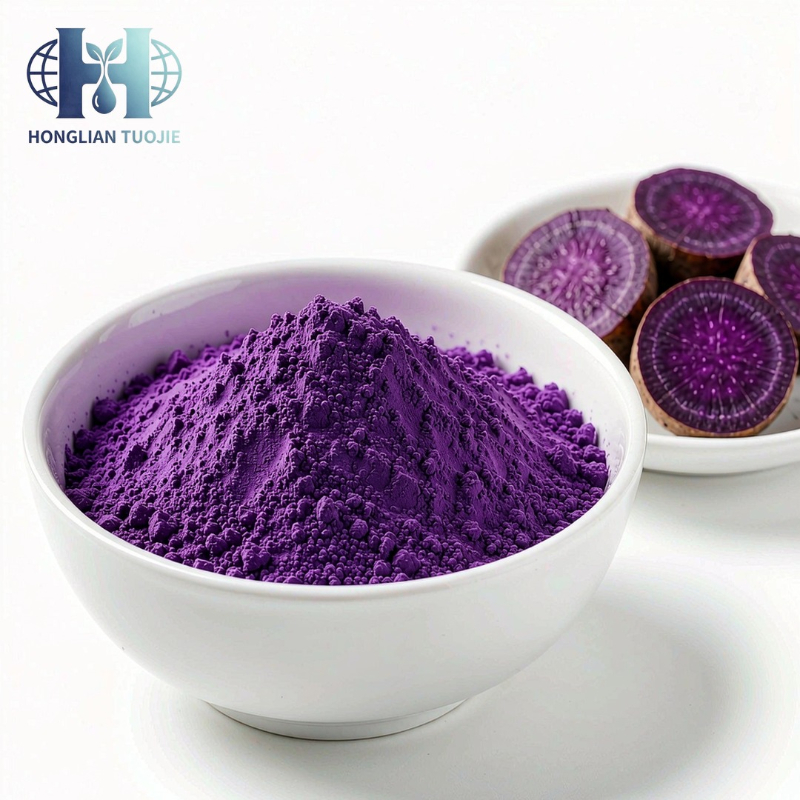
Purple yam powder — also sold as ube powder or purple Chinese yam powder — is made from authentic Dioscorea alata.
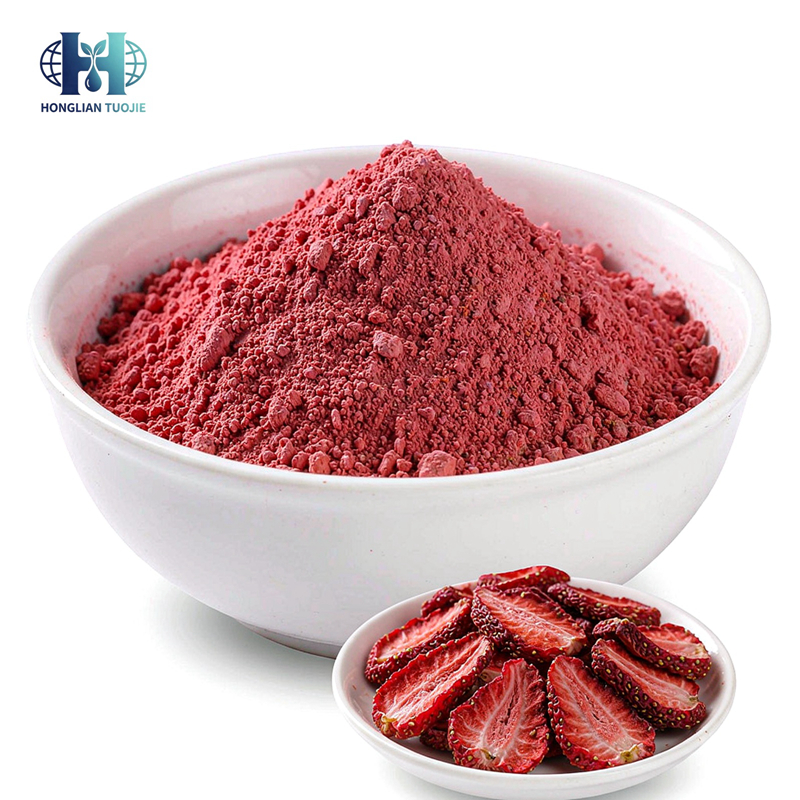
Freeze Dried Strawberry Powder
Freeze dried strawberry powder is made from natural strawberries using vacuum freeze drying.
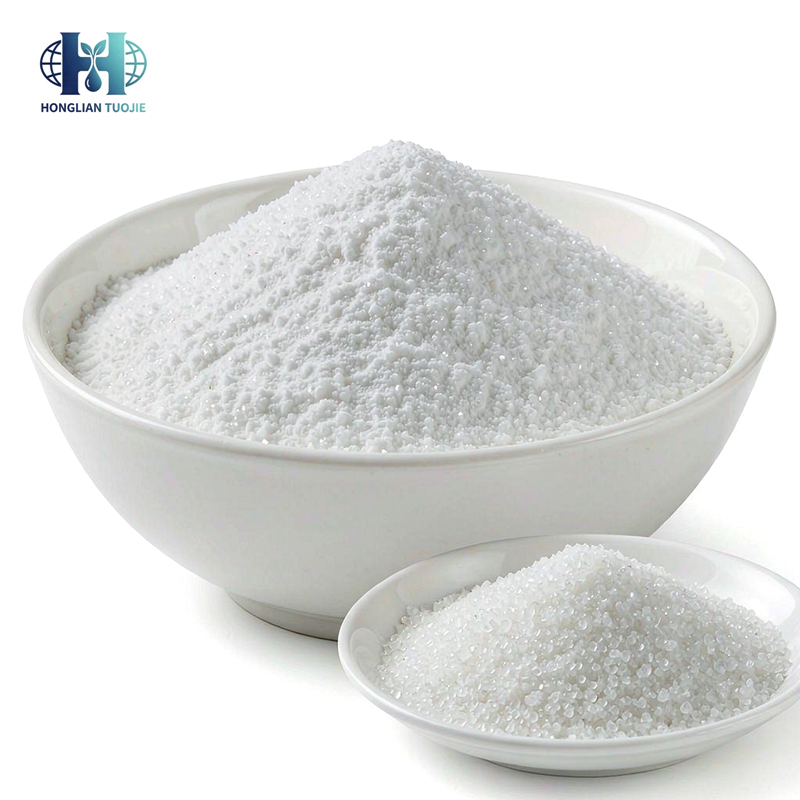
Erythritol is a high-purity sugar-alcohol sweetener, 99% assay, naturally fermented from corn or wheat starch.
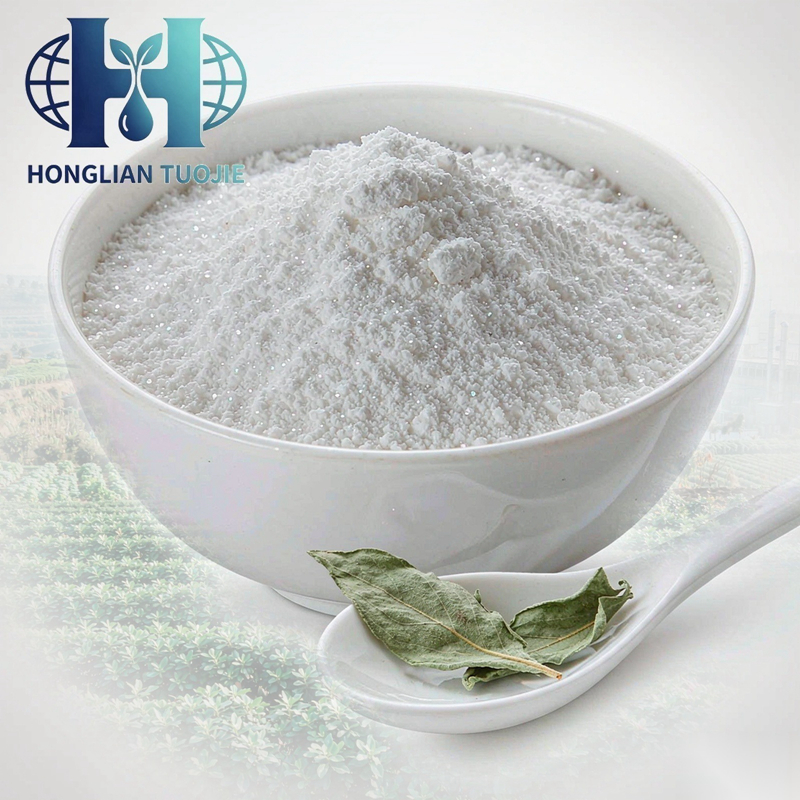
Stevia leaf extract is a natural high-intensity sweetener obtained from Stevia rebaudiana leaves through water extraction and purification.
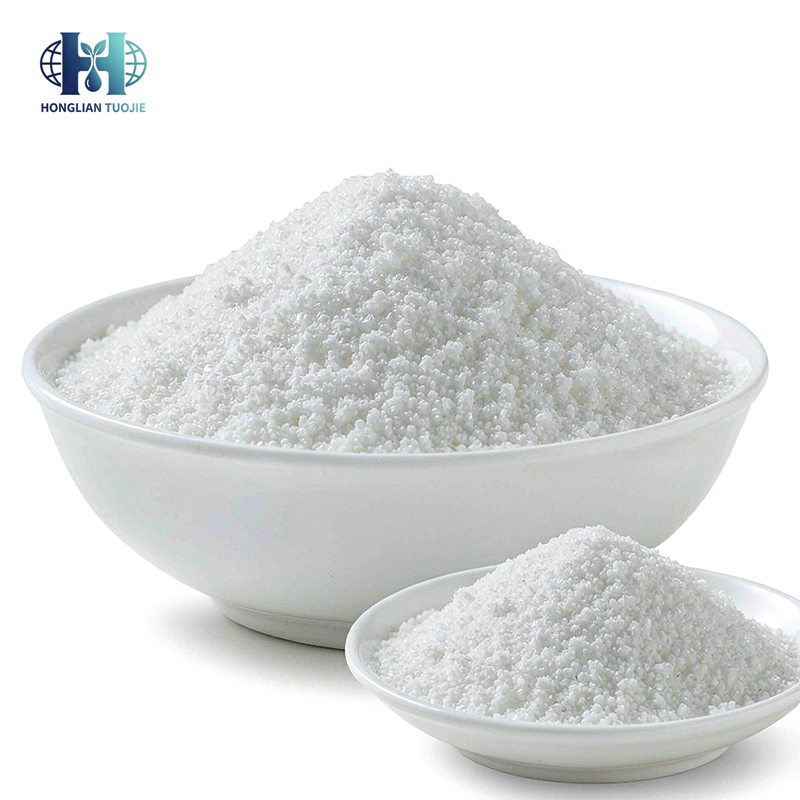
Allulose powder (D-allulose, D-psicose) is a rare sugar that delivers a sugar-like sweetness at about 70% of sucrose, with almost zero calories and a taste and texture close to real sugar.
Navigation
Navigation
Product Categories
Product Categories
Contact Us
Telephone: +86 150 5757 4568
E-mail: info@honglianherb.com
WhatsApp: +86 150 5757 4568
Address: 2420-1Room 2420, Chengyuan Tower, 5052 Airport Avenue, Binjiang St, Lucheng Dist, Wenzhou, Zhejiang. China.
Get in Touch
Get in Touch