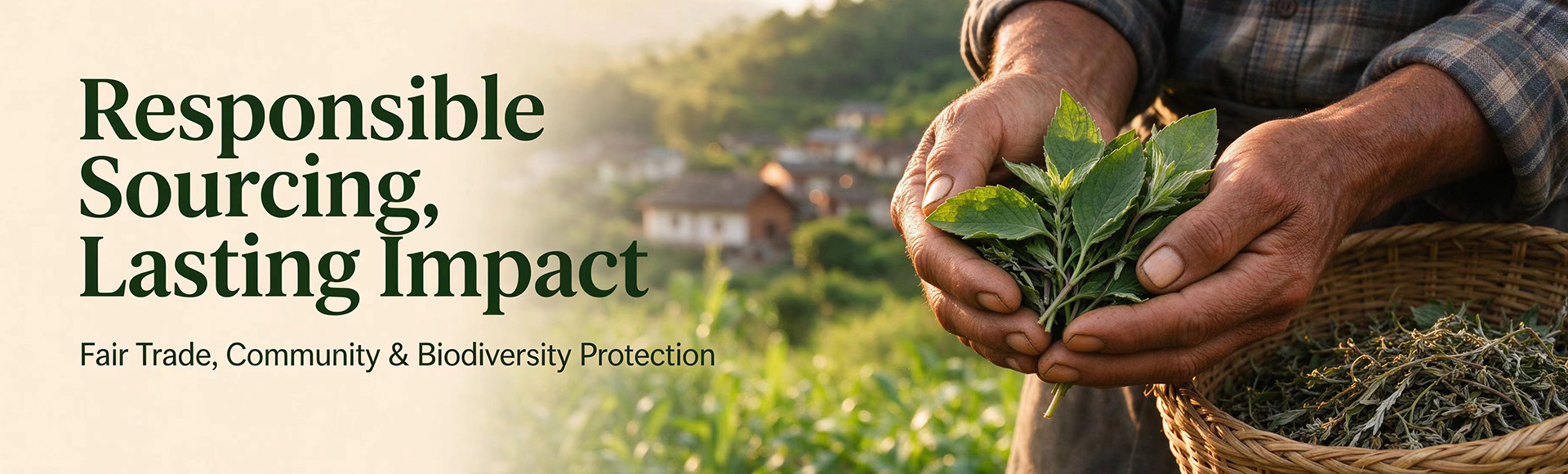
What Supplement Brands Are Formulating Around in 2026
Oct. 08, 2026
The clearest formulation directions for 2026 are adaptogens and functional mushrooms used as everyday ingredients rather than seasonal novelties, longevity-positioned actives, natural colourants replacing synthetic dyes, and sugar reduction driving demand for natural sweeteners. Underneath those headline trends sits a practical sourcing shift: brands are moving from ratio powders toward standardized extracts with declared marker content, because retail buyers and regulators now ask for a number, not a story. This article sets out what that means for product developers and procurement teams.
Adaptogens have settled into mainstream briefs for energy, focus and stress-oriented positioning. Ashwagandha Root Extract remains the most requested root, used in capsule stacks, gummies and powdered drink mixes, and it is now specified by withanolide content rather than by a ratio. Rhodiola-style and other adaptogen positions continue to appear in novel-food and beverage concepts. For developers, the practical consequence is that adaptogens have to work in formats with heat, moisture and long shelf life, which pushes demand toward spray-dried, free-flowing powder grades with defined moisture and bulk density.
The functional mushroom category is maturing from general wellness blends into specific ingredient calls. Cordyceps Militaris Extract appears in sports and stamina-oriented concepts, and mushroom ingredients are increasingly specified by beta-glucan or polysaccharide content so that the label can carry a defined value. That specificity is what separates a credible product from a blended powder. Buyers should expect a certificate of analysis that names the marker, the assay method and the botanical origin, and they should confirm whether the material is a mycelium-based or fruiting-body-based input when that distinction matters to their positioning.
Longevity positioning has moved from conference talks into retail shelf space. Brands are building concepts around polyphenol-rich actives such as Grape Seed Extract and Olive Leaf Extract, alongside established botanicals with well-known structure-function associations. The regulatory line matters here more than in almost any other category: in most markets these ingredients may be presented for normal physiological function and general wellbeing, not for the treatment of any condition. Communication that claims to diagnose, treat, cure or prevent a disease is not compliant, and compliant claims are usually the difference between a brand that scales and one that gets pulled.
Reformulation away from synthetic dyes is one of the largest quiet shifts in food and beverage development. Natural alternatives now cover much of the practical spectrum: Spirulina Blue E25 for stable blue tones, Sodium Copper Chlorophyllin for green, Paprika Oleoresin for warm red and orange, Beetroot Extract (Nitrate) for pink and red, and Butterfly Pea Flower Extract for pH-responsive blue-to-violet transitions. The technical challenges are heat stability, light stability, pH sensitivity and colour fade over shelf life, so developers increasingly evaluate a colourant on application data rather than colour value alone.
Sugar reduction is no longer a niche line extension; it sits at the centre of beverage and snack briefs. Brands are combining high-intensity systems with natural sweeteners and botanical extracts that rebuild mouthfeel and body where sugar used to provide it. The practical questions for procurement are solubility, off-note profile, stability through pasteurisation and cost per serving. Because these systems are usually blends rather than single ingredients, they are best developed against a defined specification from the start rather than by trial and error across several suppliers.
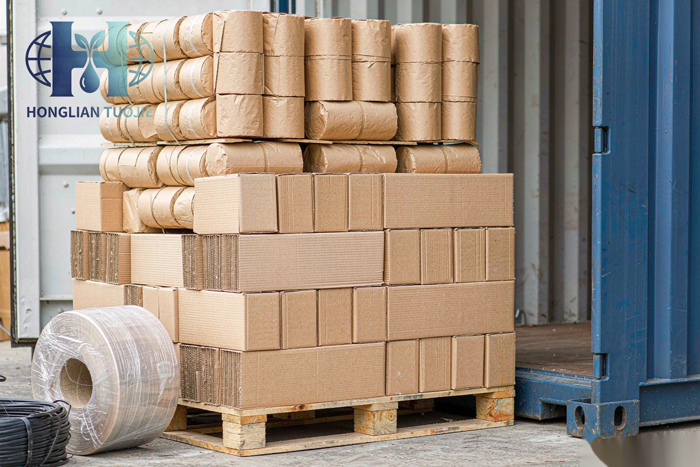
Across all five trends the same pattern repeats: formulation is getting more specific, and sourcing has to match that specificity. Buyers should ask for standardized extracts with declared markers and named assay methods, request application-relevant grades for the target format, and confirm the documentation package before committing to a volume. Suppliers with in-house extraction, concentration, spray drying and column chromatography can hold a specification across lots, which is what a scaling brand actually needs. WENZHOU HONGLIAN TUOJIE IMPORT AND EXPORT CO.,LTD. works to ISO22000 and HACCP, holds Kosher and Halal certification, is FDA-registered and is SGS-audited, and supplies 100 SKUs across adaptogens, functional mushrooms, botanical actives, natural colourants, natural sweeteners, sports nutrition and personal-care ingredients.
These statements have not been evaluated by any regulatory authority. Ingredients are supplied as raw materials for finished products and are not intended to diagnose, treat, cure or prevent any disease. Buyers are responsible for confirming regulatory compliance in their own markets.
We Look Forward To Working With You.
Related Product
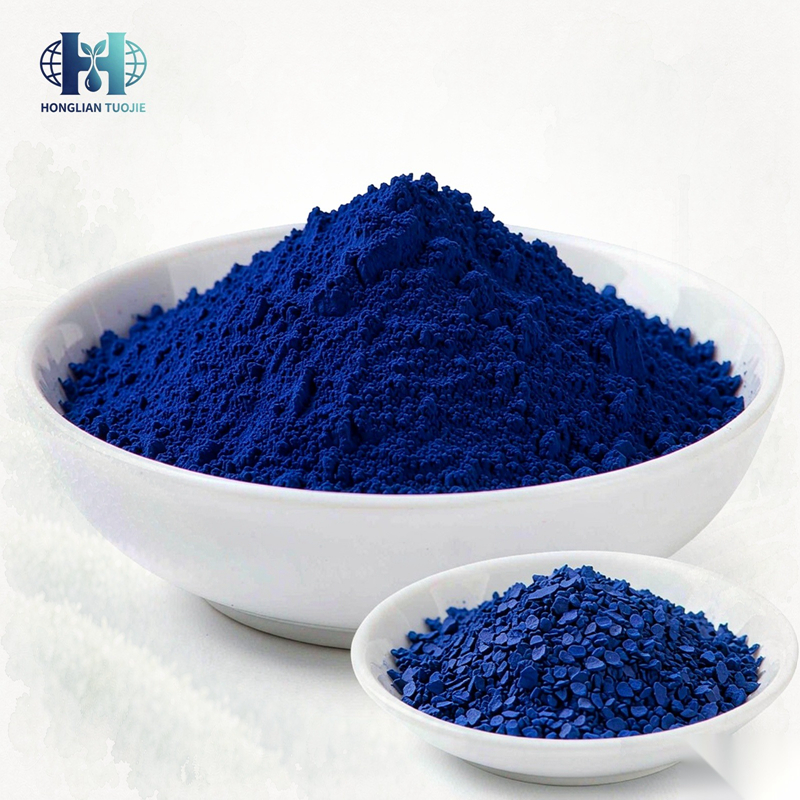
Blue spirulina powder — also sold as phycocyanin powder or blue majik — is a natural blue colorant extracted from Spirulina platensis.
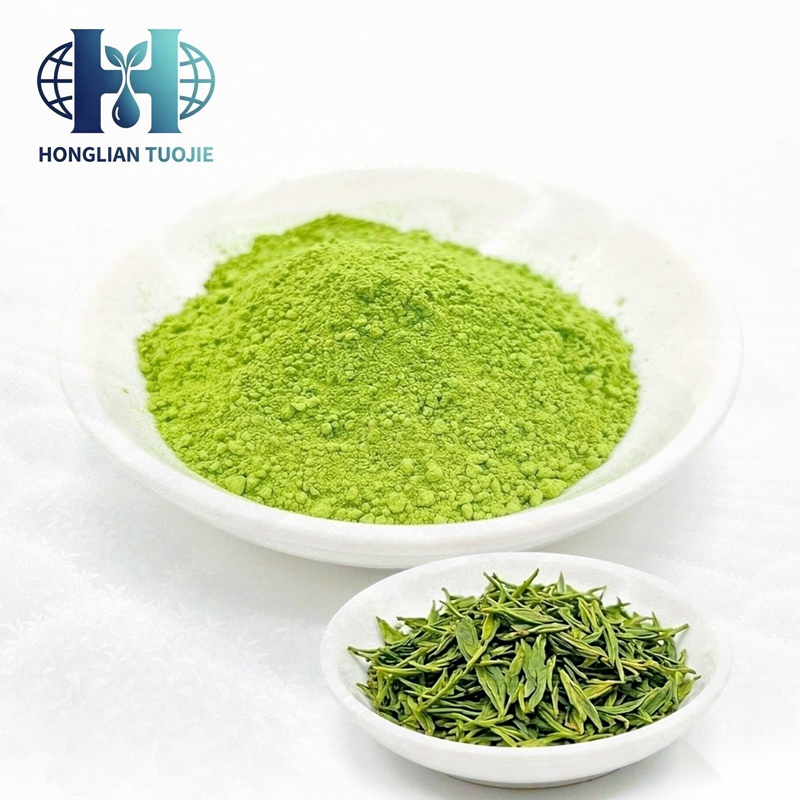
Matcha powder is milled from shade-grown leaves of Camellia sinensis. Shading raises chlorophyll and L-theanine, giving the powder its vibrant green colour and rich umami
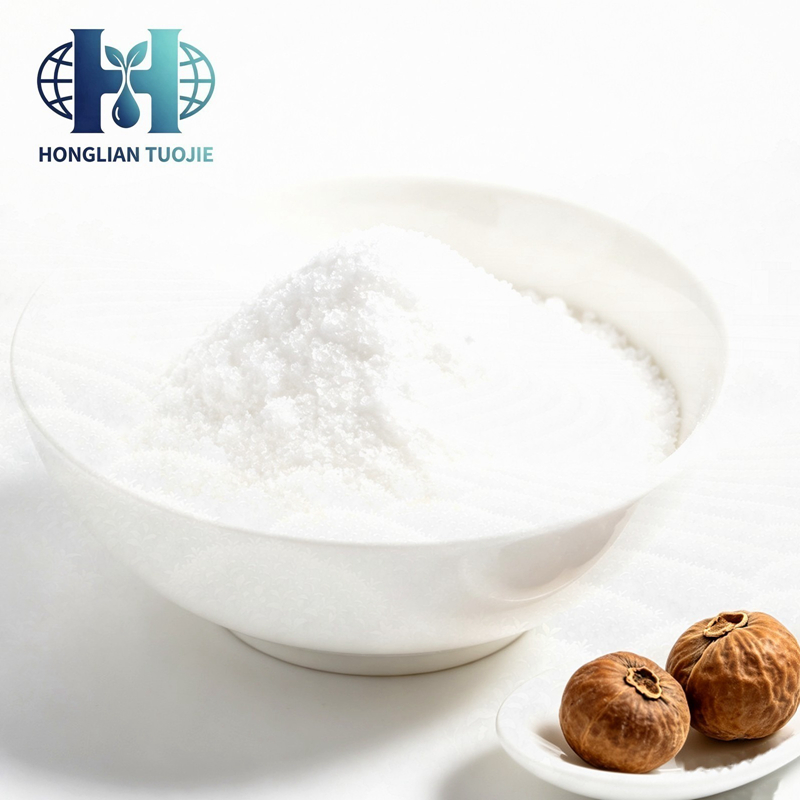
Mogroside V powder is the refined sweet glycoside extracted from fresh green monk fruit (Siraitia grosvenorii, Luo Han Guo).
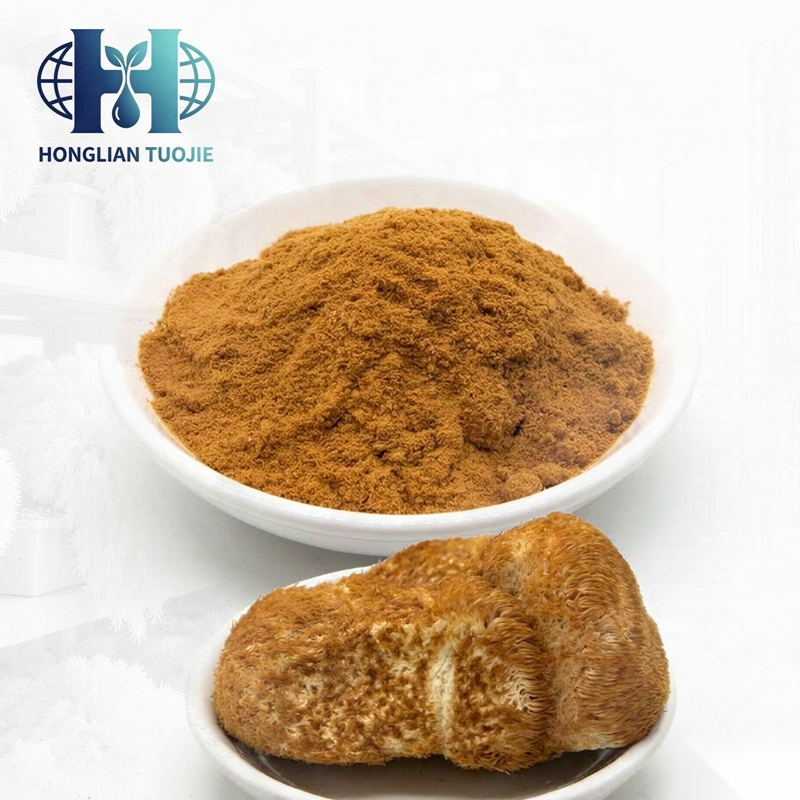
Lion's mane mushroom powder (Hericium erinaceus) is available in two formats. The powder version is milled from fruiting bodies — pale yellow, 80 mesh, no extraction, nothing added — so it keeps the mushroom's natural composition for powder blends, foods and beverages.
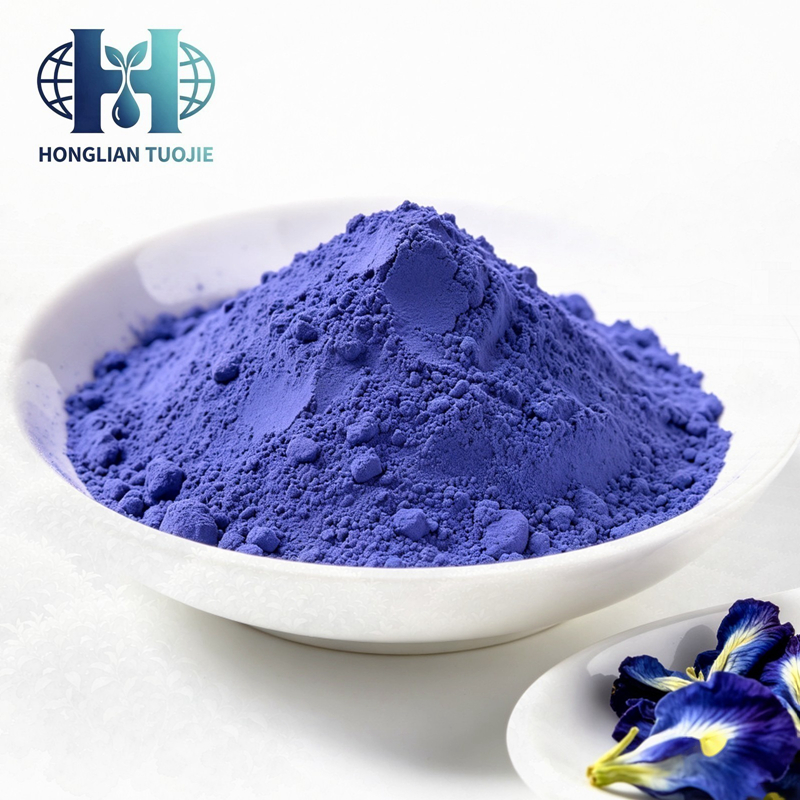
Butterfly pea flower powder, also called clitoria ternatea powder or blue matcha, is a natural blue pigment made from dried butterfly pea flowers and milled to 450 mesh.
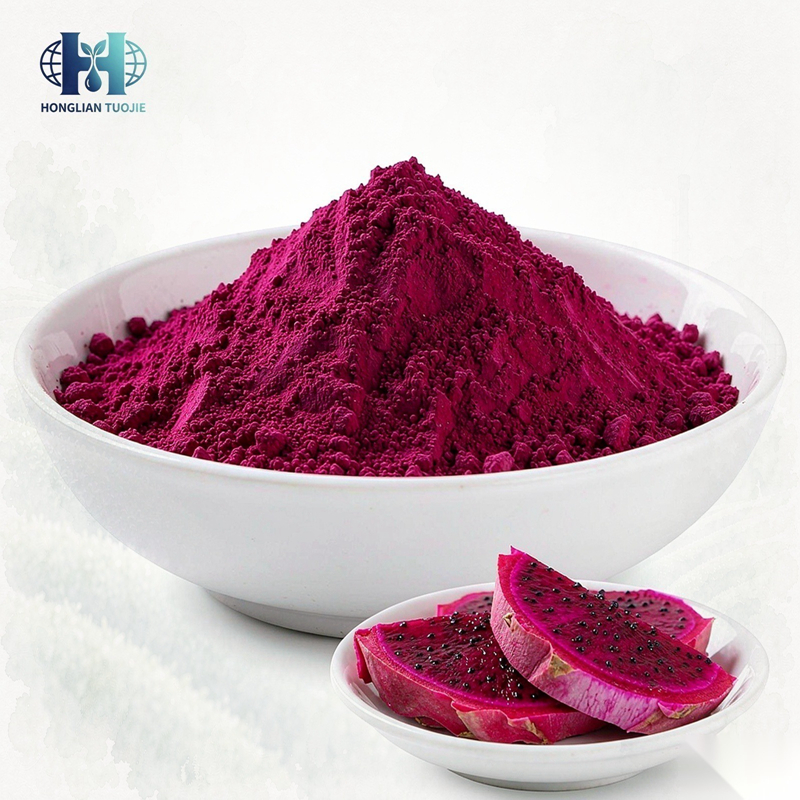
Freeze Dried Dragon Fruit Powder
Freeze dried dragon fruit powder, also known as pitaya powder, is made from red dragon fruit through vacuum freeze drying.
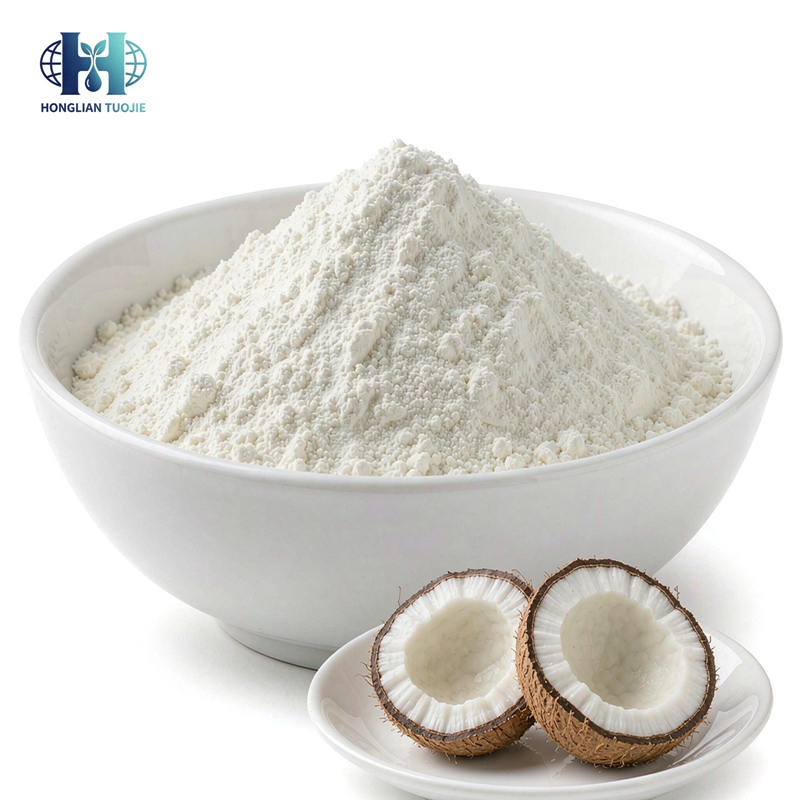
Coconut milk powder is made from fresh coconut meat — juiced, concentrated, filtered and spray dried into a free-flowing powder.
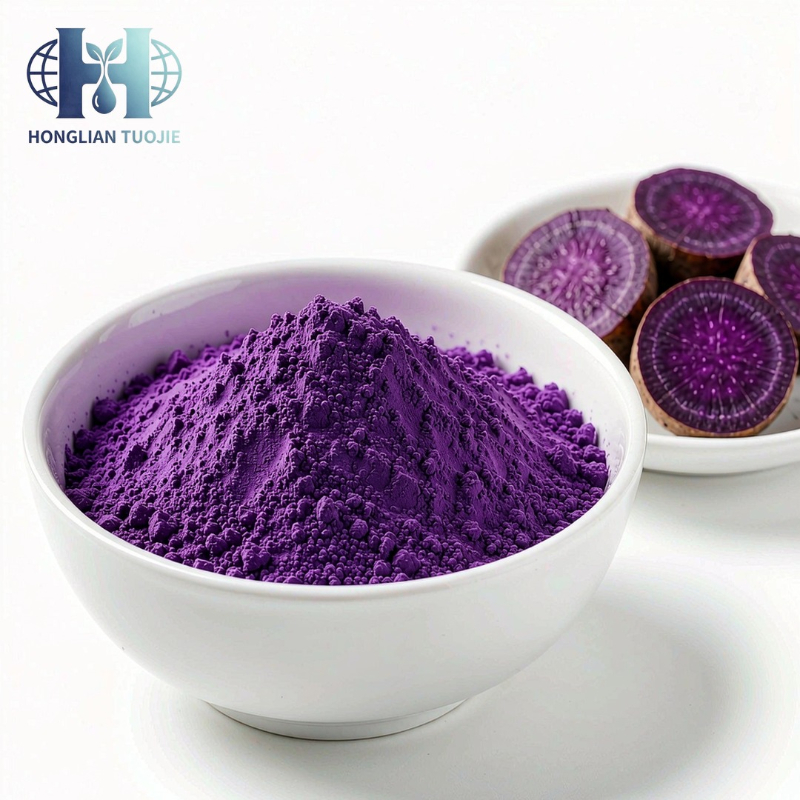
Purple yam powder — also sold as ube powder or purple Chinese yam powder — is made from authentic Dioscorea alata.
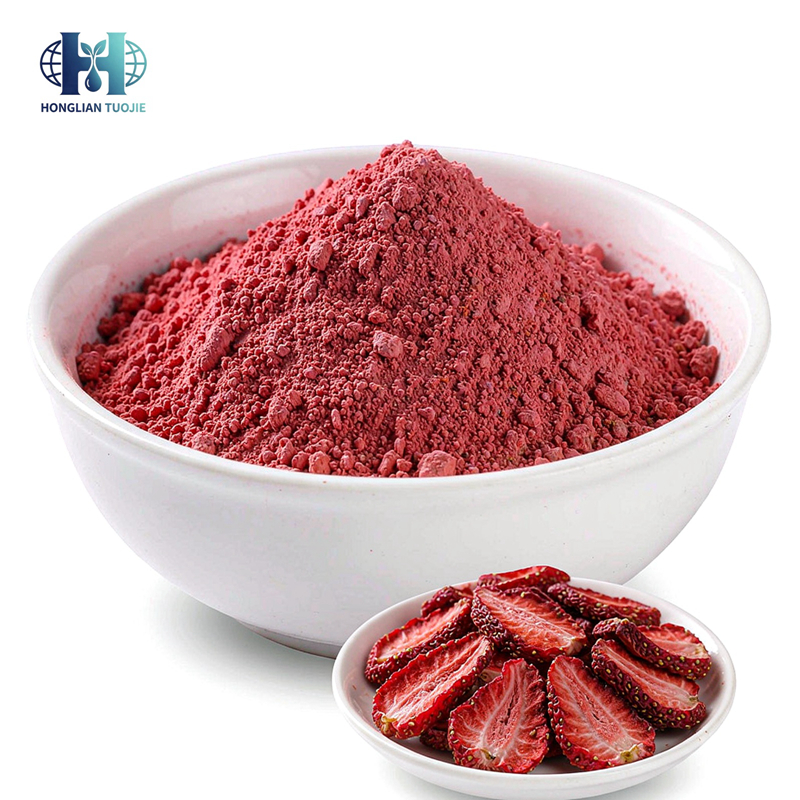
Freeze Dried Strawberry Powder
Freeze dried strawberry powder is made from natural strawberries using vacuum freeze drying.
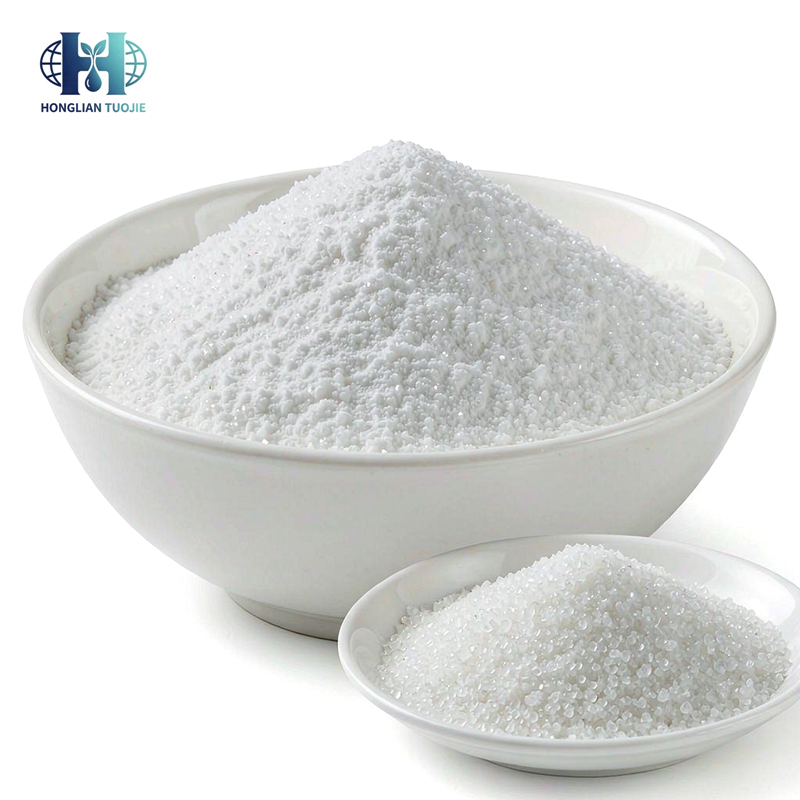
Erythritol is a high-purity sugar-alcohol sweetener, 99% assay, naturally fermented from corn or wheat starch.
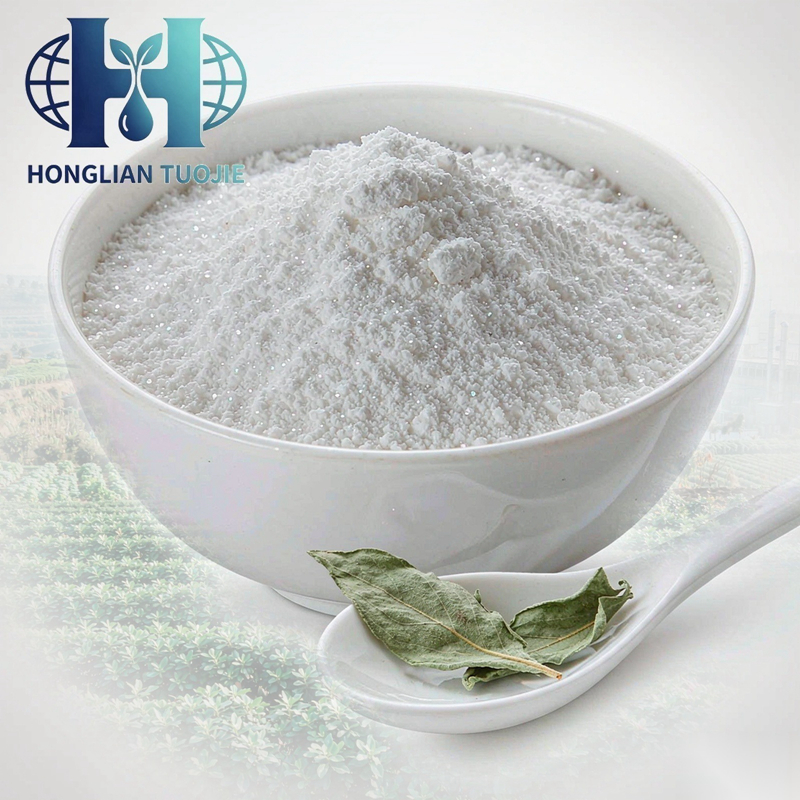
Stevia leaf extract is a natural high-intensity sweetener obtained from Stevia rebaudiana leaves through water extraction and purification.
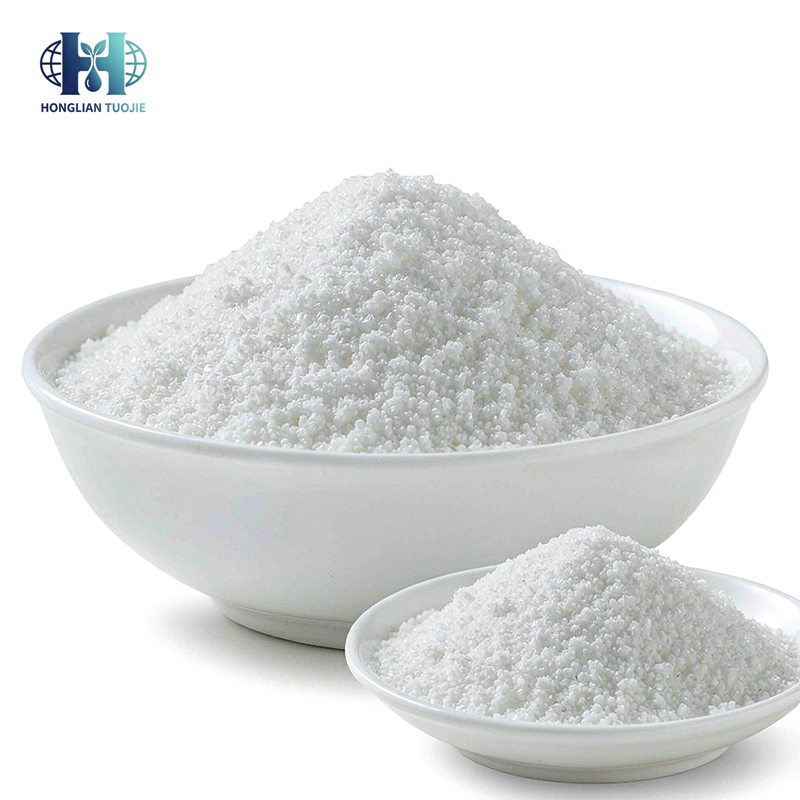
Allulose powder (D-allulose, D-psicose) is a rare sugar that delivers a sugar-like sweetness at about 70% of sucrose, with almost zero calories and a taste and texture close to real sugar.
Navigation
Navigation
Product Categories
Product Categories
Contact Us
Telephone: +86 150 5757 4568
E-mail: info@honglianherb.com
WhatsApp: +86 150 5757 4568
Address: 2420-1Room 2420, Chengyuan Tower, 5052 Airport Avenue, Binjiang St, Lucheng Dist, Wenzhou, Zhejiang. China.
Get in Touch
Get in Touch