Dietary Supplement Ingredients
Product Introduction
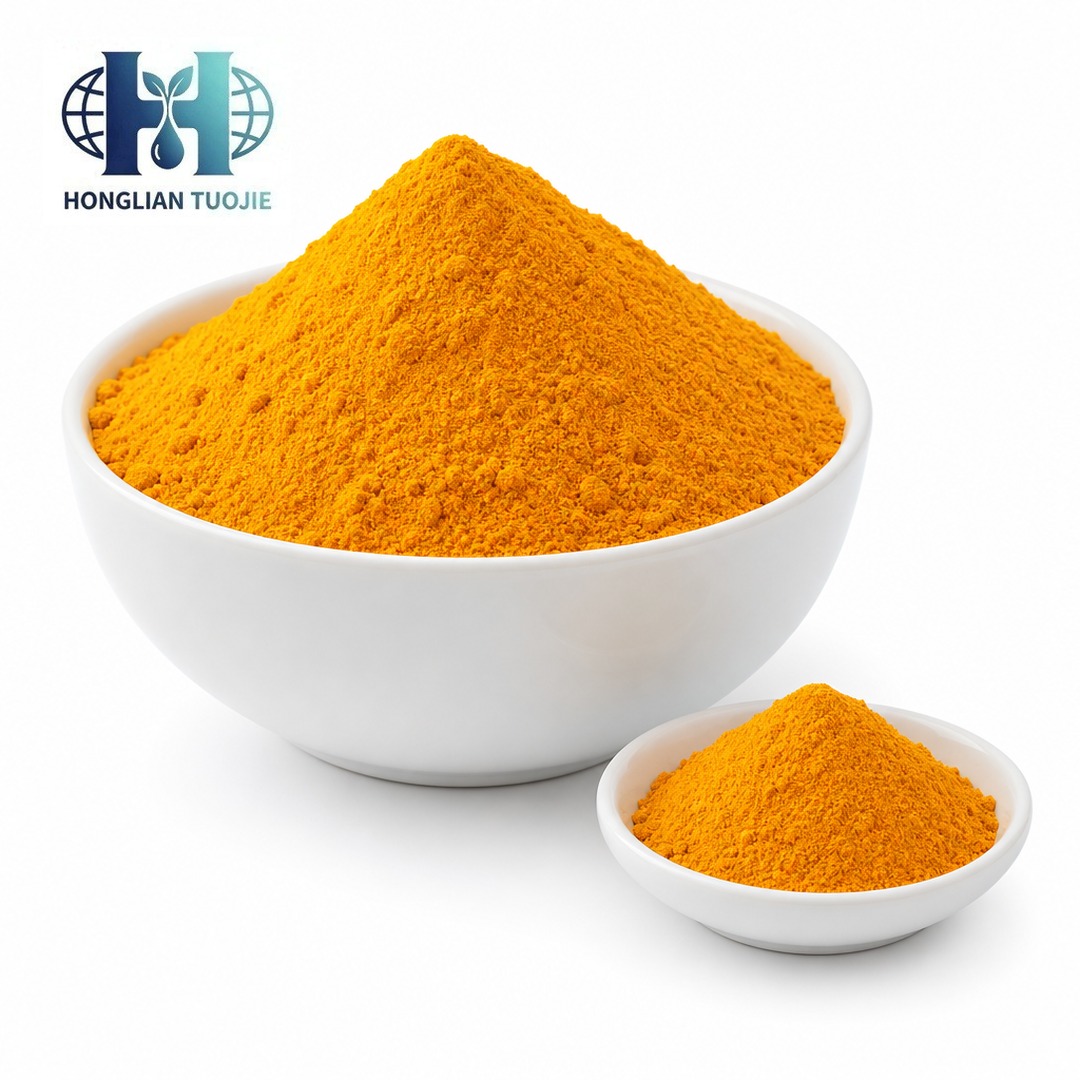
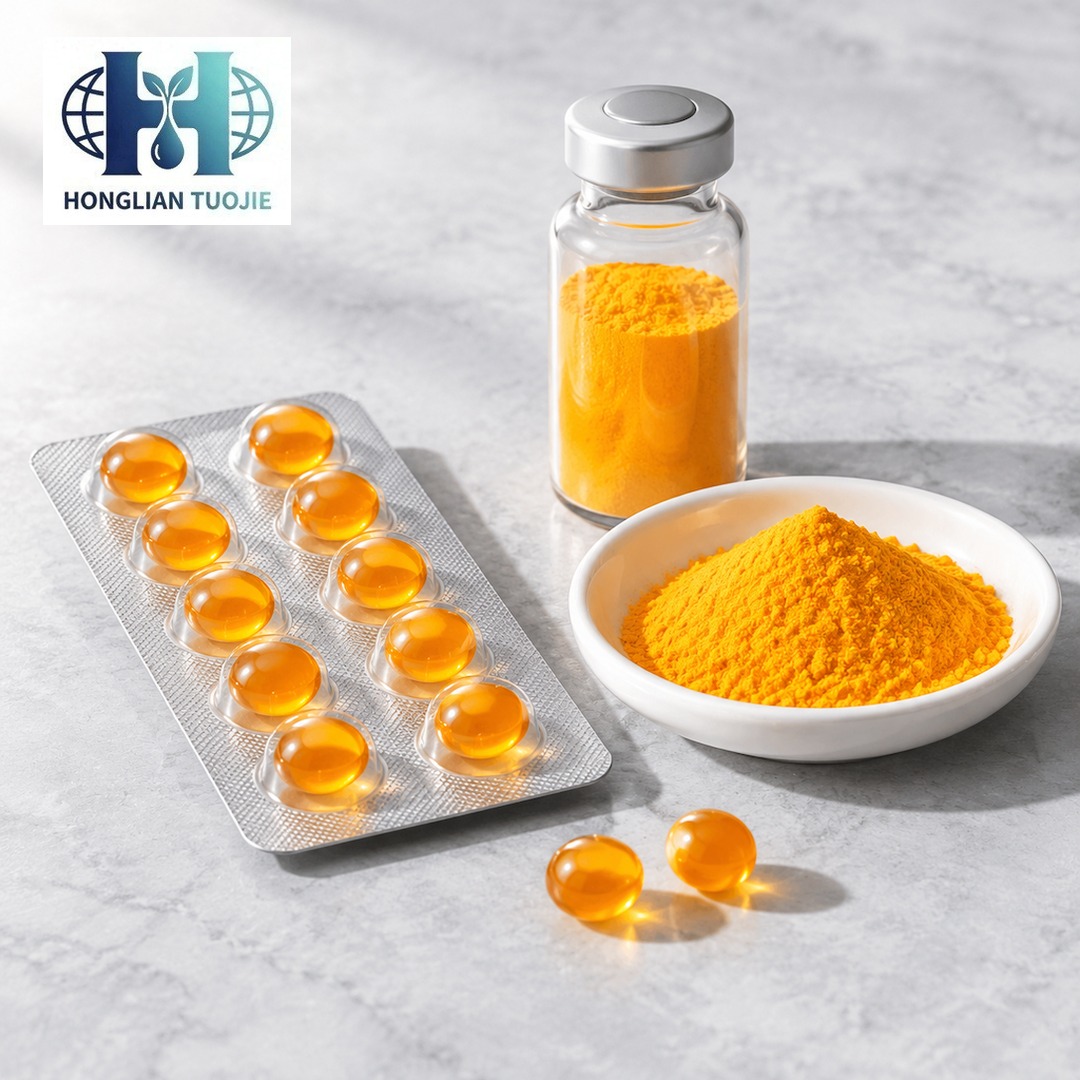
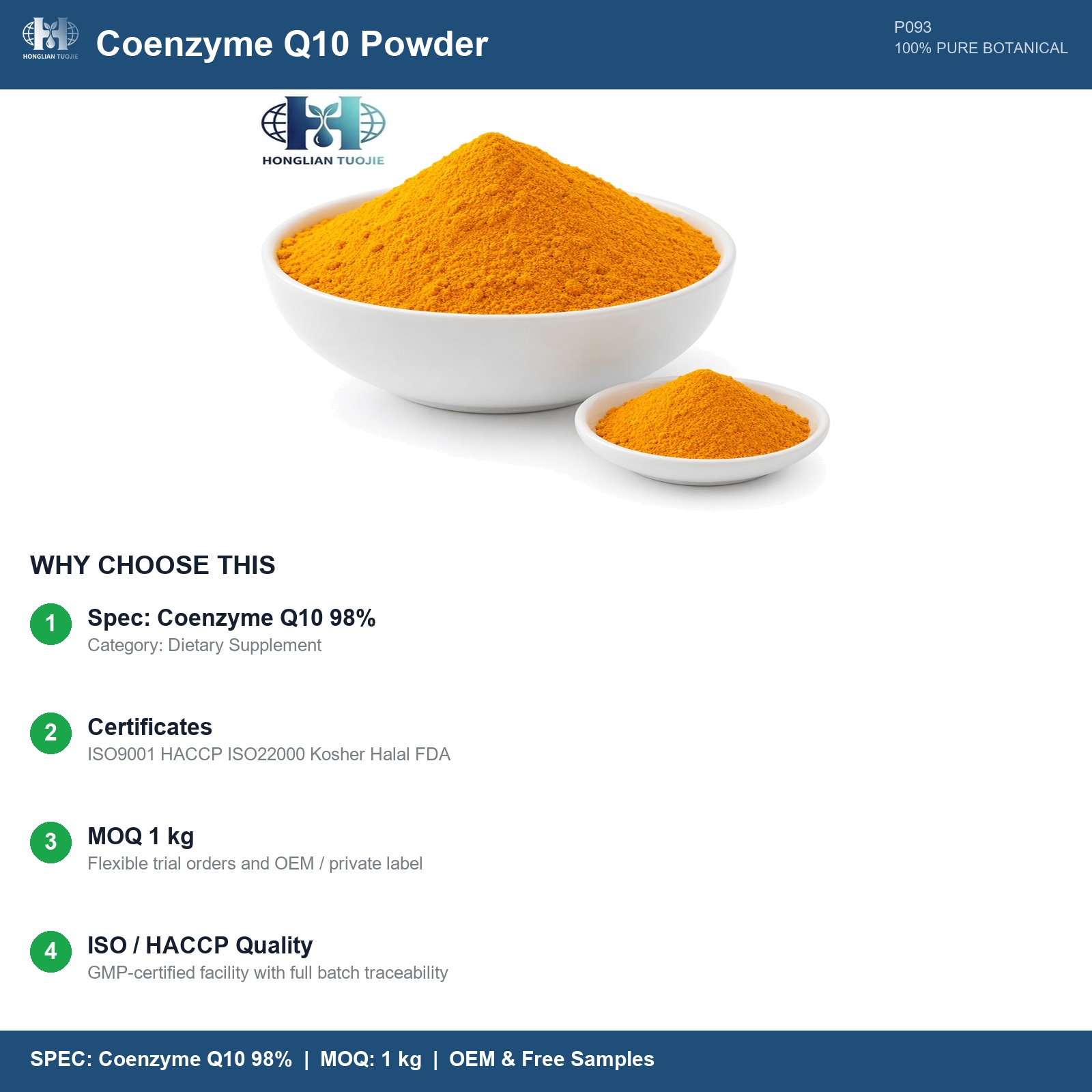
Coenzyme Q10 Powder is an orange-yellow, free-flowing powder with a ubidecarenone assay of 98% or above by HPLC. It is produced by microbial fermentation rather than solvent extraction from tissue, which keeps the isomer and impurity profile under direct process control.
The material melts between 48 and 52 degrees Celsius and is insoluble in water, soluble in acetone and very slightly soluble in ethanol. That solubility profile decides the formulation route: oil suspension or hot-melt for softgels, and dry blending for two-piece capsules and tablets.
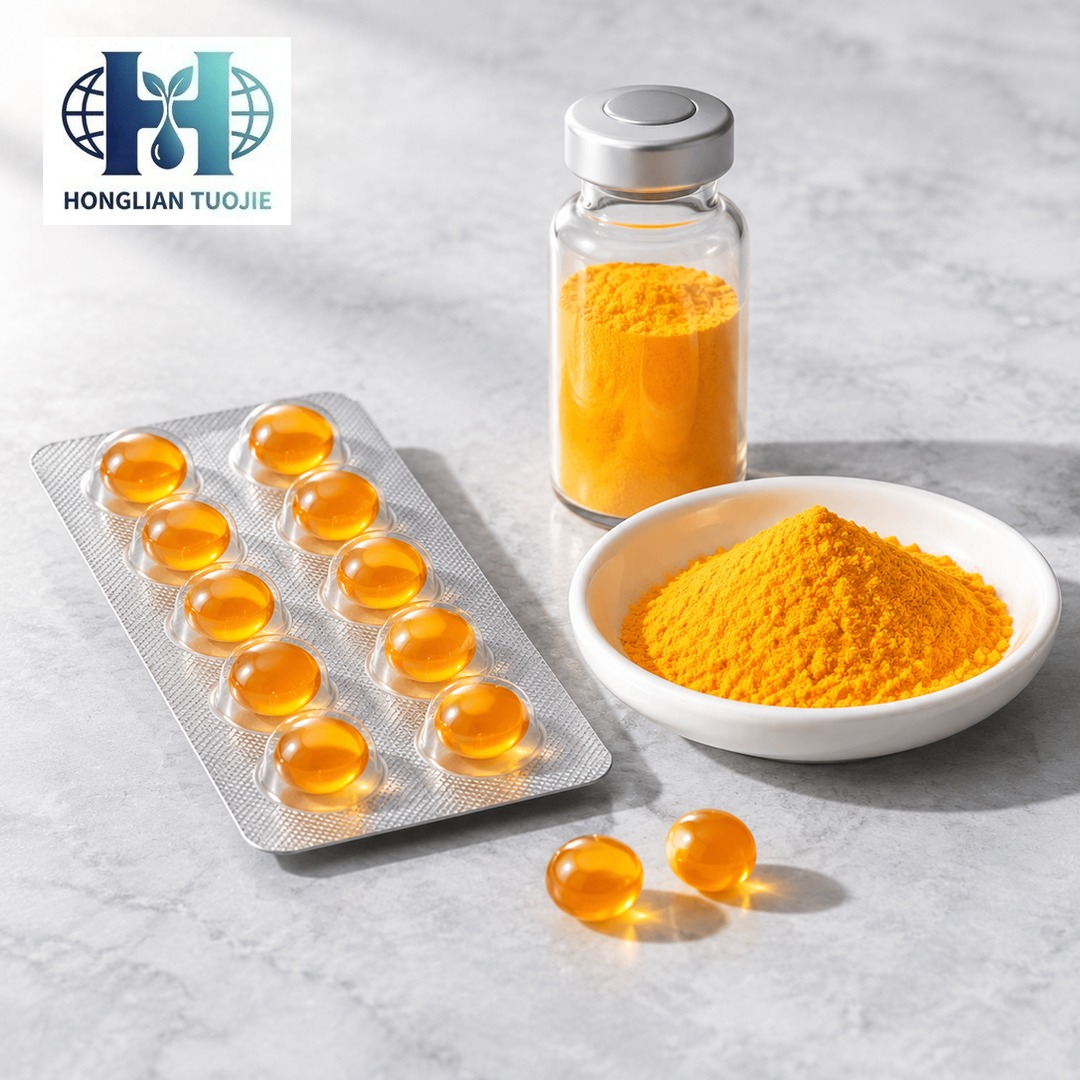
Typical applications include softgels and capsules, functional beverages, and cosmetic emulsions where coenzyme Q10 is declared as an active.
Water content is held at 0.2% or below and ash at 0.10% or below. Related impurities are controlled to a total of 1.5% or less, and residual ethanol, n-hexane and ethyl acetate are each held within their limits. Tapped density is 0.4 g/ml or above, so the powder fills consistently.
Product Overview
Ubidecarenone 98% or above by HPLC, with the IR spectrum matched to reference.
Orange-yellow free-flowing powder, 100% pass 80 mesh, tapped density 0.4 g/ml or above.
Fermentation-derived, with related impurities held to 1.5% total.
Water content 0.2% or below, ash 0.10% or below, residual solvents controlled.
Certified: GMP, ISO 22000, HACCP, ISO 9001, Kosher, Halal and FDA registered.
Specifications
| Item | Specification | Method |
| Appearance | Orange Yellow Flowing Powder | - |
| IR | Corresponds qualitatively to the reference | - |
| Solubility | Insoluble in water, soluble in acetone, very slightly soluble in ethanol | - |
| Melting Point | 48~52℃ | - |
| Assay | ≥98% | - |
| Water Content | ≤0.2% | - |
| Ash | ≤0.10% | - |
| Chromatographic Purity | The sum of Coenzymes Q7 Q8 Q9 Q11 and related impurities ≤ 1.0% | - |
| Ubidecarenone (2Z)-isomer and related impurities | ≤ 1.0% | - |
| Total impurities | ≤ 1.5% | - |
| Granularity | 100% through 80 mesh | - |
| Tapped Density | ≧0.4g/ml | - |
| Residual Solvents (Ethanol) | ≤1000mg/kg | - |
| n-Hexane | ≤ 200 mg/kg | - |
| Ethyl acetate | ≤ 3000 mg/kg | - |
| Lead | ≤2mg/kg | - |
| Arsenic | ≤1mg/kg | - |
| Mercury | ≤0.1mg/kg | - |
| Cadmium | ≤1mg/kg | - |
| Total Plate Count | ≤1000cfu/g | - |
| Mold and Yeast Count | ≤100cfu/g | - |
| Escherichia Coli | Absence | - |
| Salmonella | Absence | - |
| Staphylococcus Aureus | Absence | - |
Advantages

98% HPLC Assay
Ubidecarenone content verified by HPLC on every batch.

Fermentation Origin
Produced by microbial fermentation, not tissue extraction.

Controlled Impurity Profile
Related impurities held to 1.5% total or below.

Free-Flowing Powder
100% pass 80 mesh with tapped density at 0.4 g/ml or above.

Low Water and Ash
Water 0.2% or below, ash 0.10% or below.

Residual Solvent Control
Ethanol, n-hexane and ethyl acetate each held within limits.
Usage Guidelines
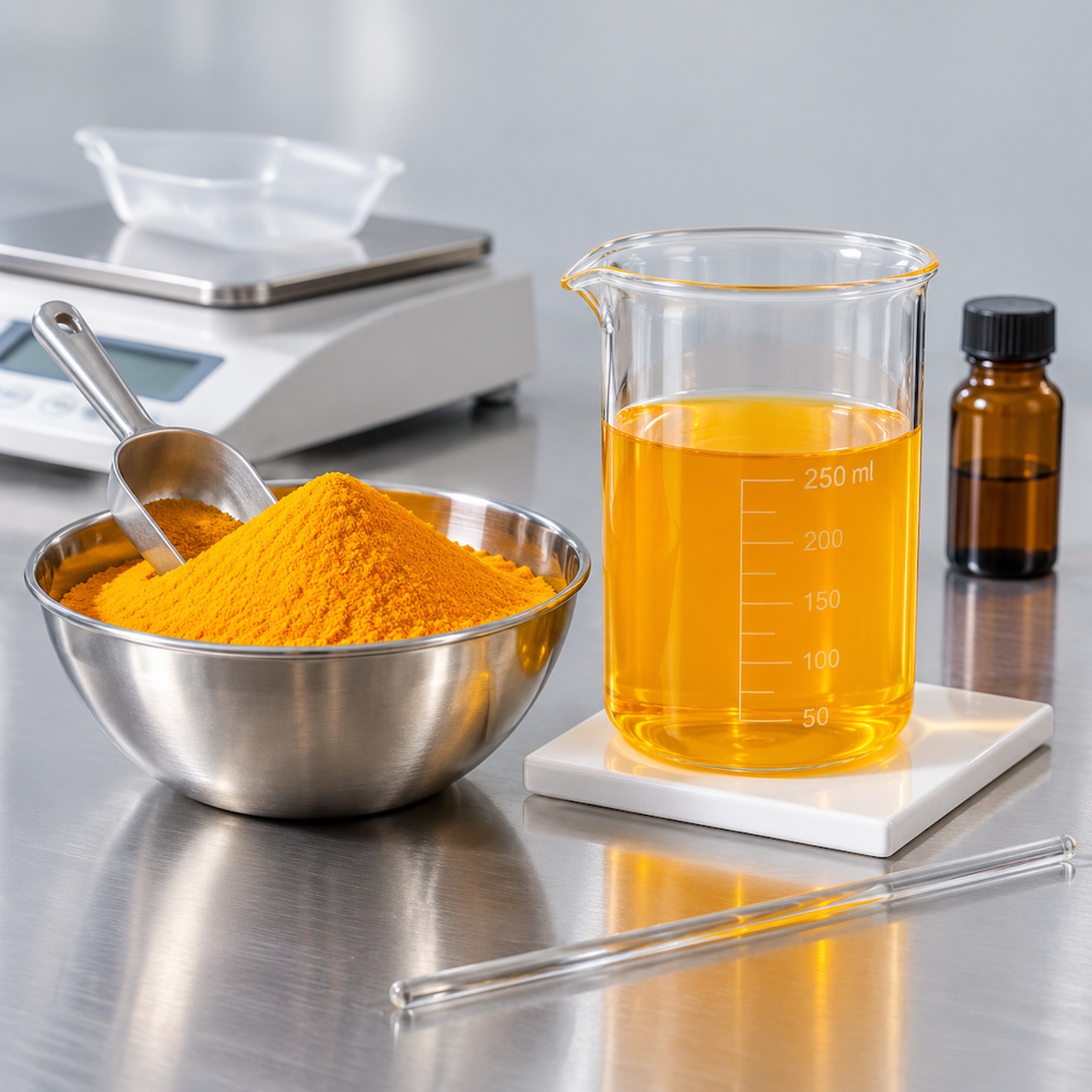
Suspend in oil and warm to 50 degrees Celsius or above for softgel filling; the melt range is 48-52 degrees.
For dry dosage forms, pre-blend with a carrier before compression to avoid segregation.
Protect from light and oxygen during processing; the material is sensitive to oxidation at elevated temperature.
Store sealed in a cool, dry place; confirm the retest date on the COA before long production runs.
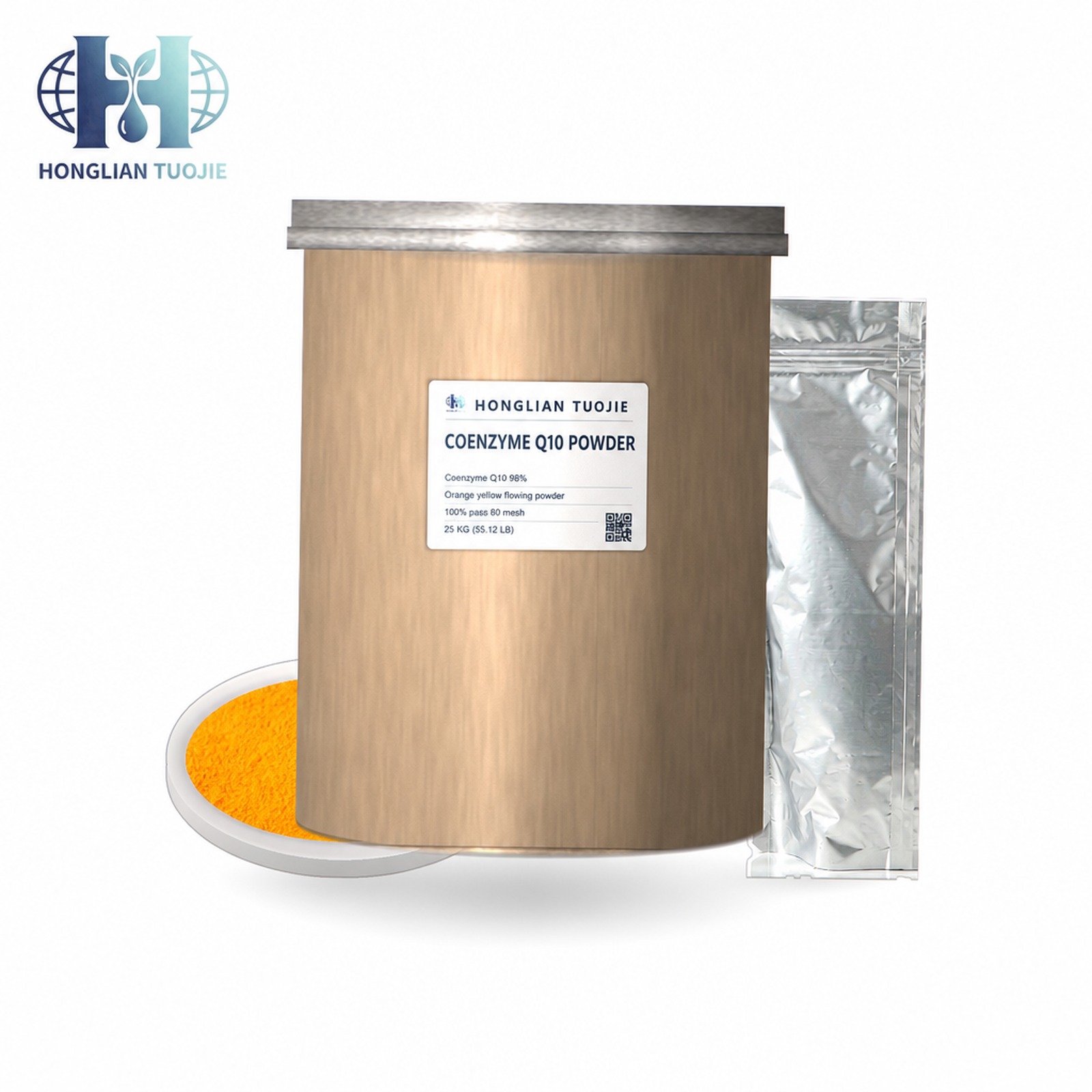
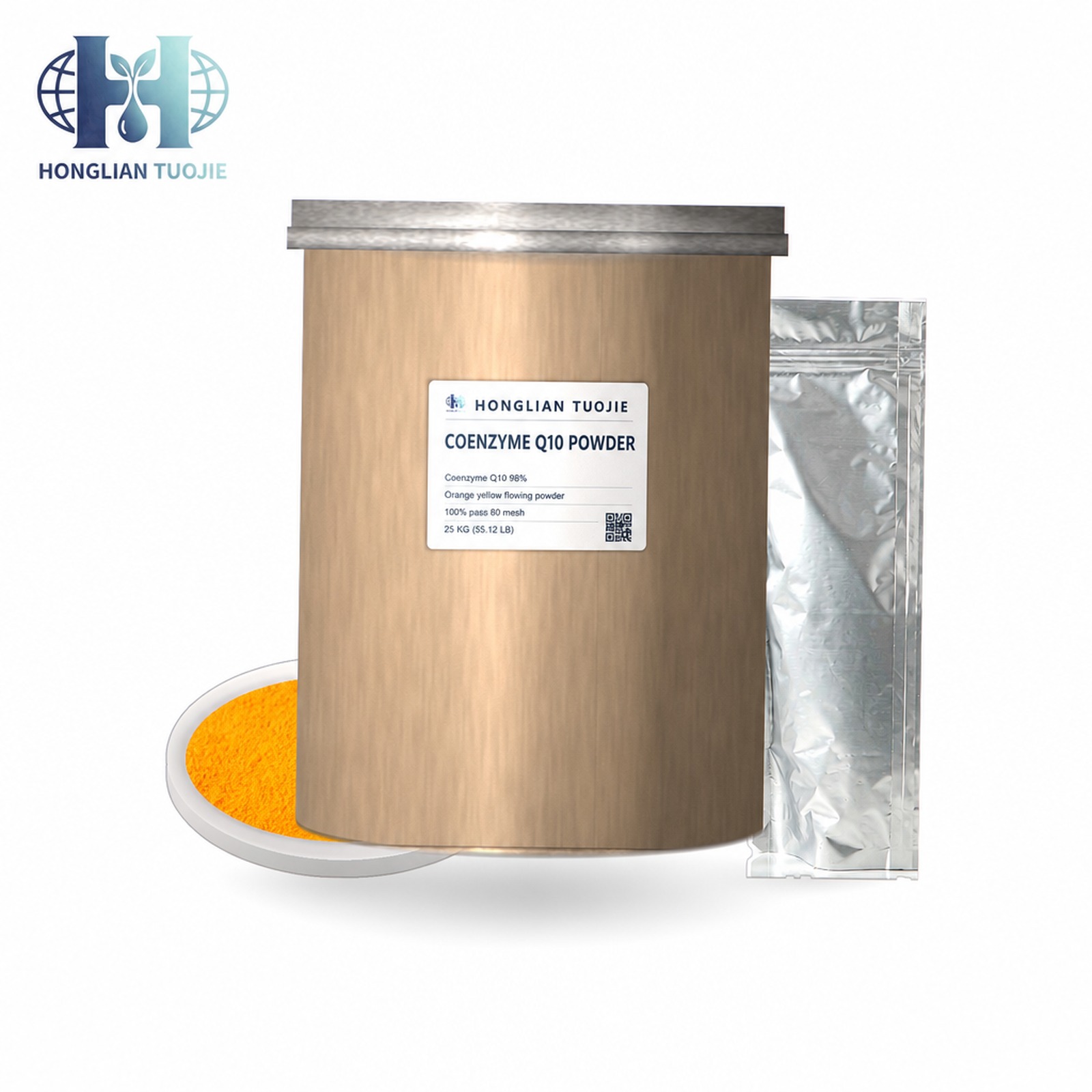
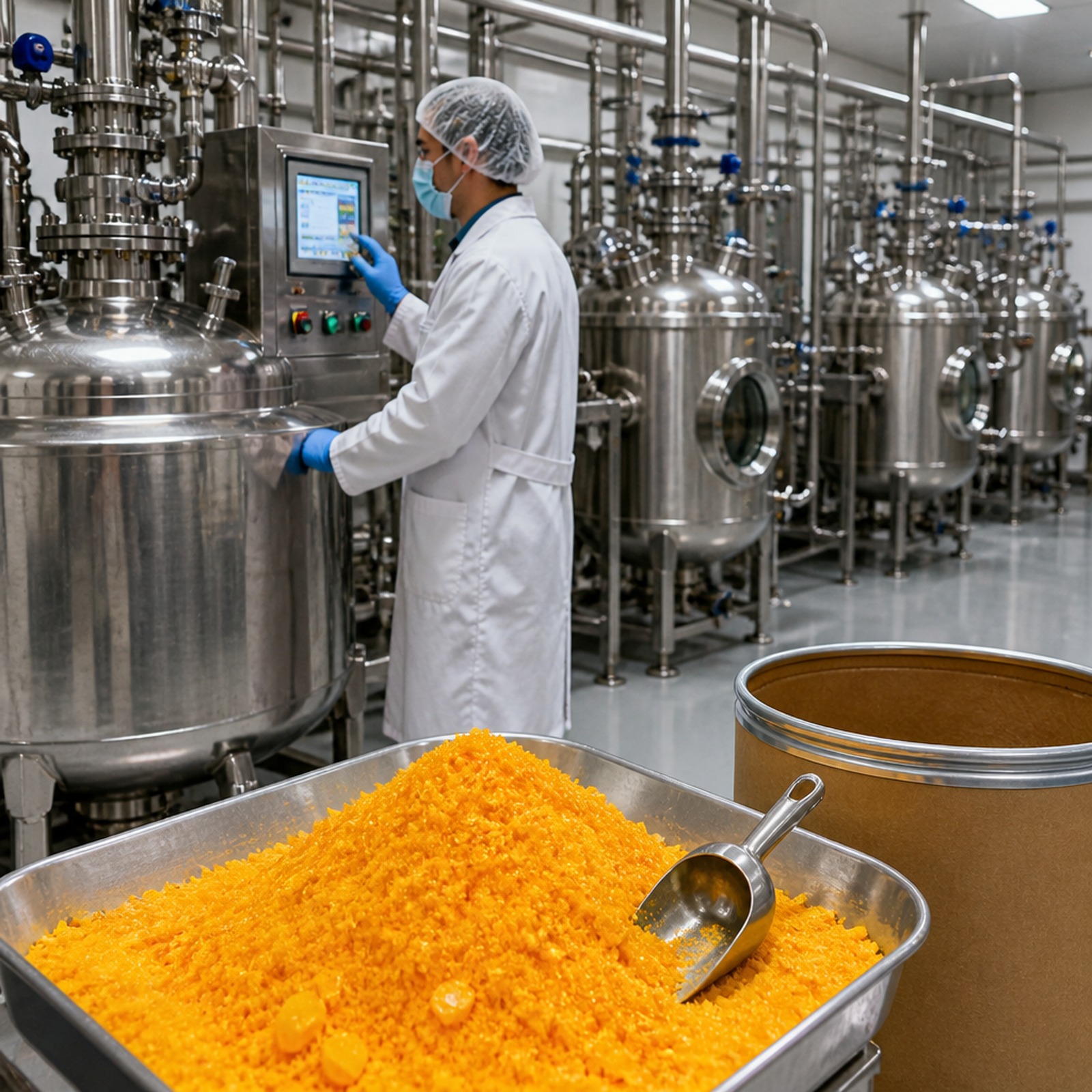
Bulk orders ship in 25 kg food-grade fibre drums; reseal opened drums promptly.
Product Applications
OEM & Custom Services
01 Bulk Supply
MOQ 1 kg for samples; bulk orders ship in 25 kg food-grade fibre drums.
02 Private Label
Softgels, capsules or retail packs under your own brand and artwork.
03 Custom Formulation
Oil suspensions and blends with carriers prepared to your brief.
04 Flexible Packaging
Aluminium foil bag, fibre drum or nitrogen-flushed pack on request.
05 Label Compliance
Ingredient and nutrition panels drafted for US, EU and JP markets.
06 Shipping Support
Air express for trial orders, sea freight for pallets; DDP available.
Selection Comparison
| Option | Specification | Typical Use |
| Standard Grade | Ubidecarenone 98% | Capsules, tablets and softgels |
| Micronized Grade | Reduced particle size on request | Improved dispersion in oils |
| Oil Dispersion | Custom concentration | Softgel filling and beverages |
FAQ
Q1 What is the assay of your Coenzyme Q10 Powder?
98% or above by HPLC. The certificate reports the assay and the related impurity totals.
Q2 Is it fermentation-derived?
Yes. It is produced by microbial fermentation, which is stated on the specification.
Q3 Why does solubility matter for my formula?
The material is insoluble in water and soluble in acetone, so oil suspension or hot-melt routes usually suit it better than aqueous systems.
Q4 What is your MOQ?
1 kg for samples and trial orders; bulk orders ship in 25 kg food-grade fibre drums.
Q5 How are residual solvents controlled?
Ethanol, n-hexane and ethyl acetate are each tested and reported against their individual limits.
Q6 Can you supply a micronized or oil-dispersed grade?
Yes, both are available on request with an agreed particle size or concentration.
We Look Forward To Working With You.
Related Product
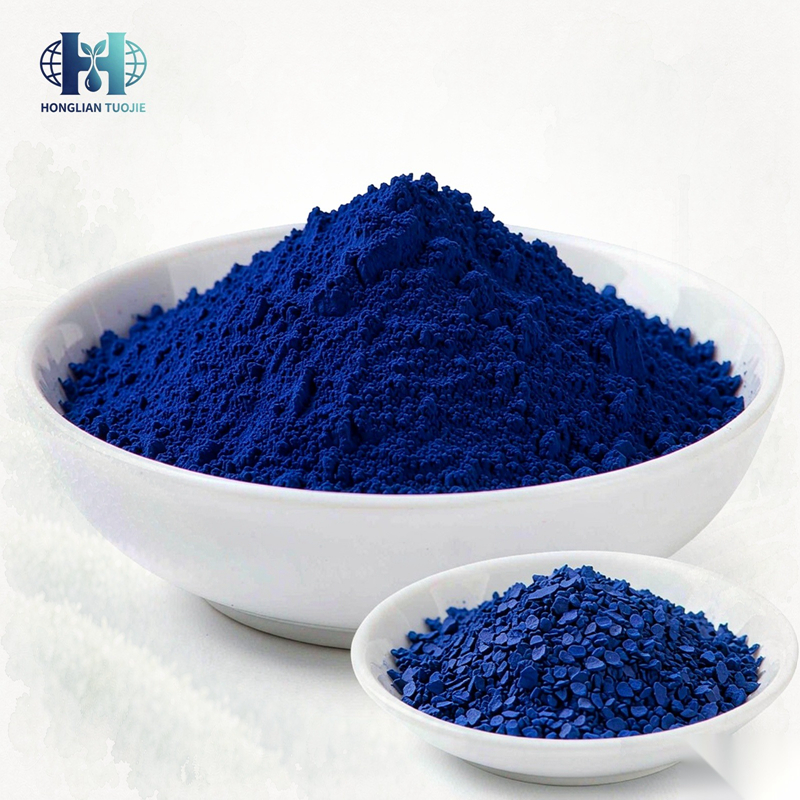
Blue spirulina powder — also sold as phycocyanin powder or blue majik — is a natural blue colorant extracted from Spirulina platensis.
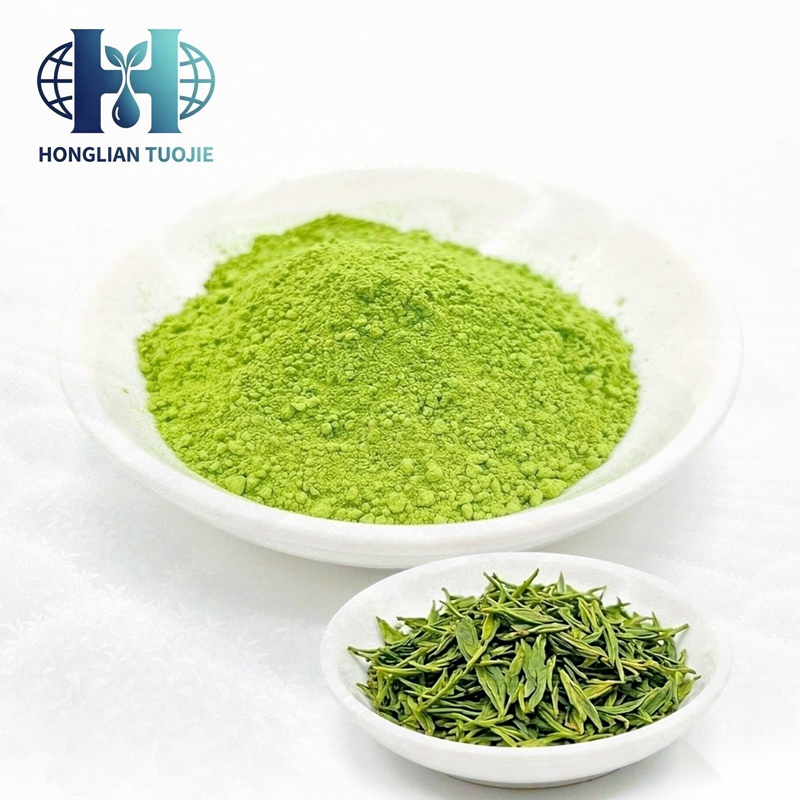
Matcha powder is milled from shade-grown leaves of Camellia sinensis. Shading raises chlorophyll and L-theanine, giving the powder its vibrant green colour and rich umami
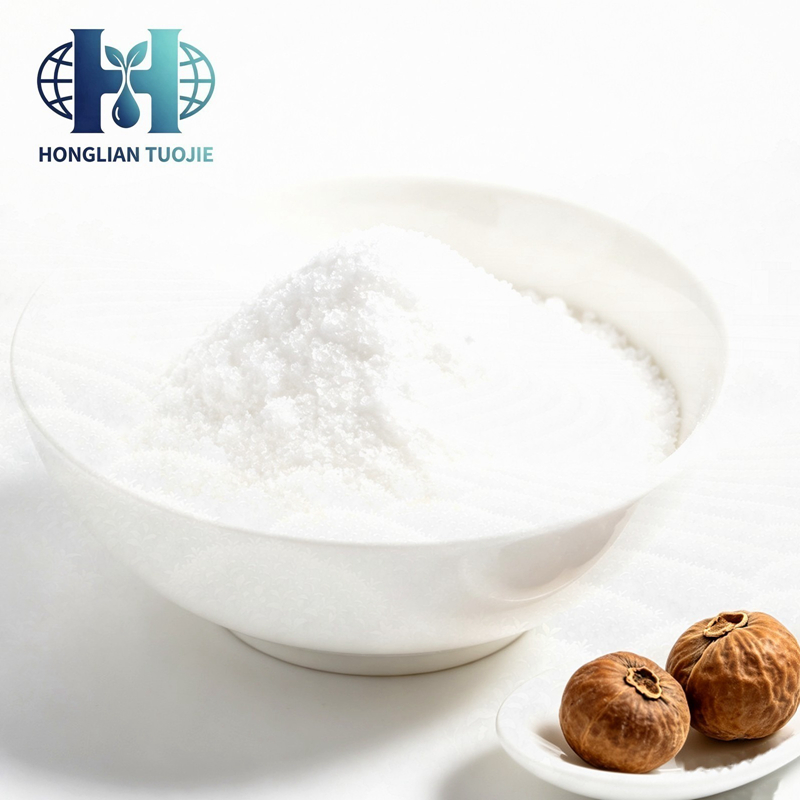
Mogroside V powder is the refined sweet glycoside extracted from fresh green monk fruit (Siraitia grosvenorii, Luo Han Guo).
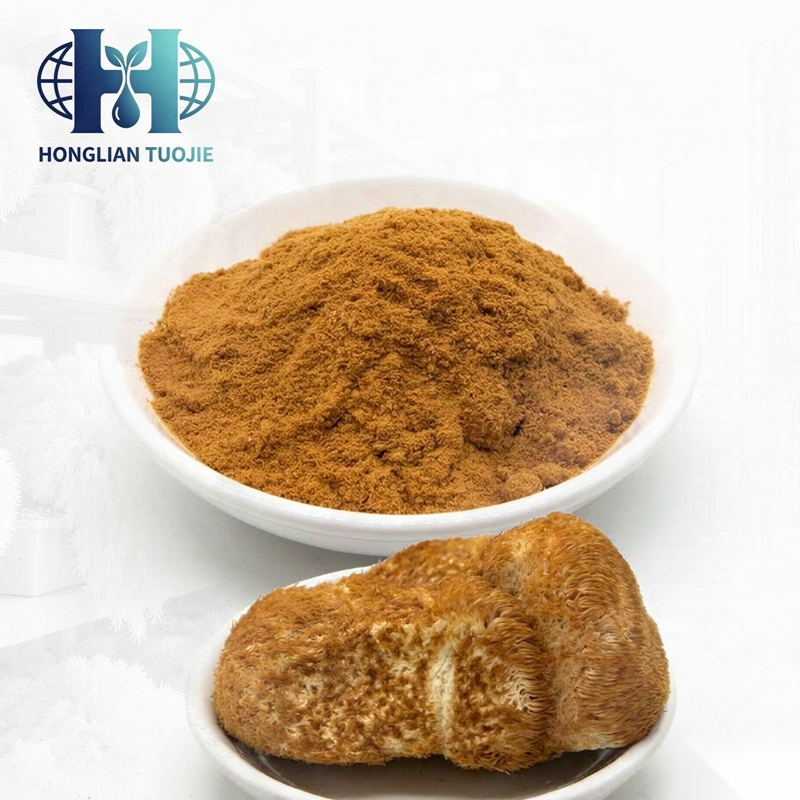
Lion's mane mushroom powder (Hericium erinaceus) is available in two formats. The powder version is milled from fruiting bodies — pale yellow, 80 mesh, no extraction, nothing added — so it keeps the mushroom's natural composition for powder blends, foods and beverages.
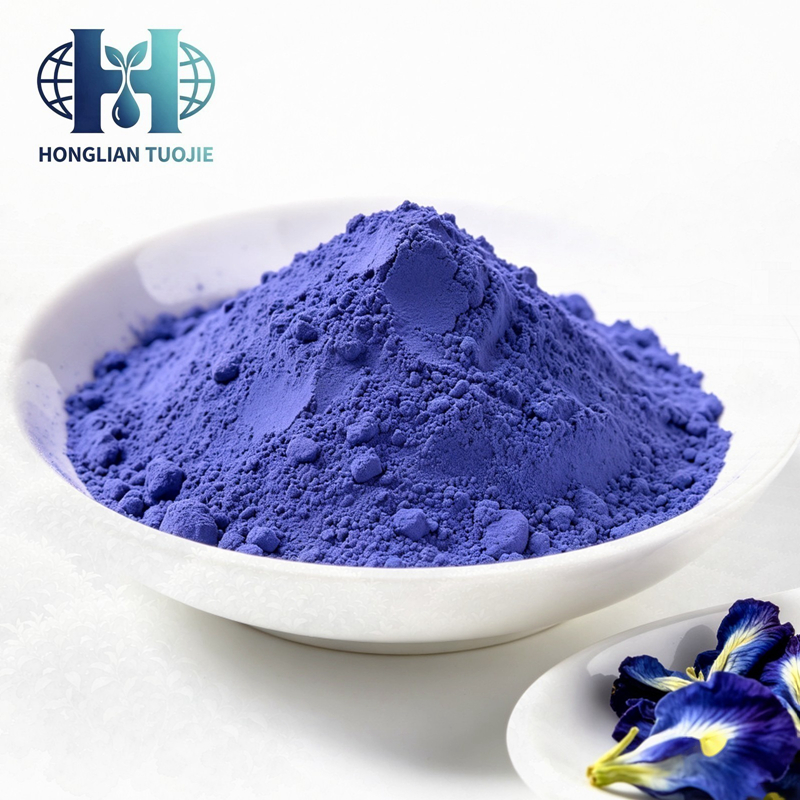
Butterfly pea flower powder, also called clitoria ternatea powder or blue matcha, is a natural blue pigment made from dried butterfly pea flowers and milled to 450 mesh.
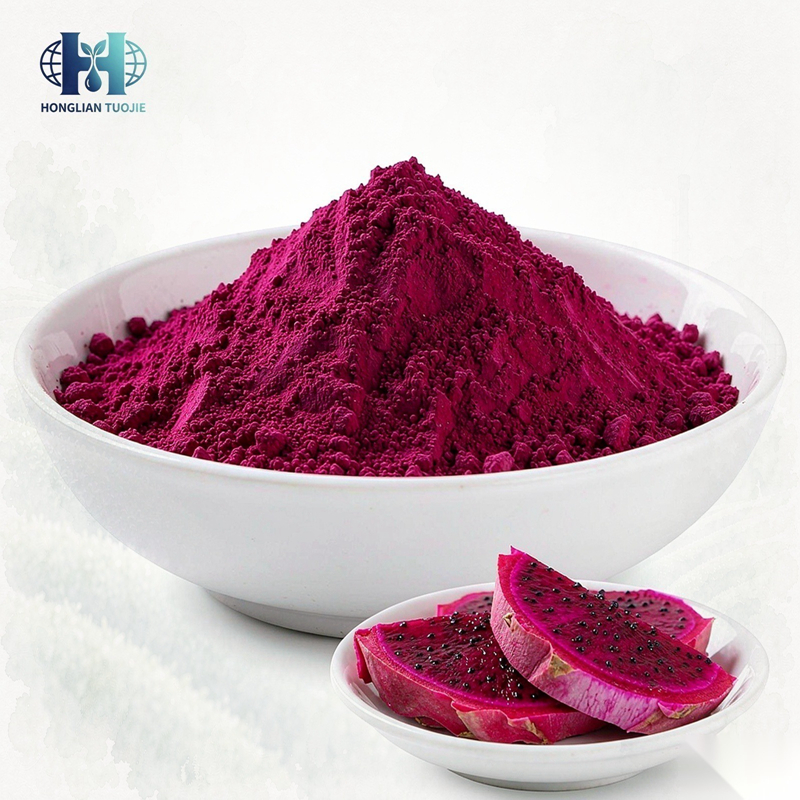
Freeze Dried Dragon Fruit Powder
Freeze dried dragon fruit powder, also known as pitaya powder, is made from red dragon fruit through vacuum freeze drying.
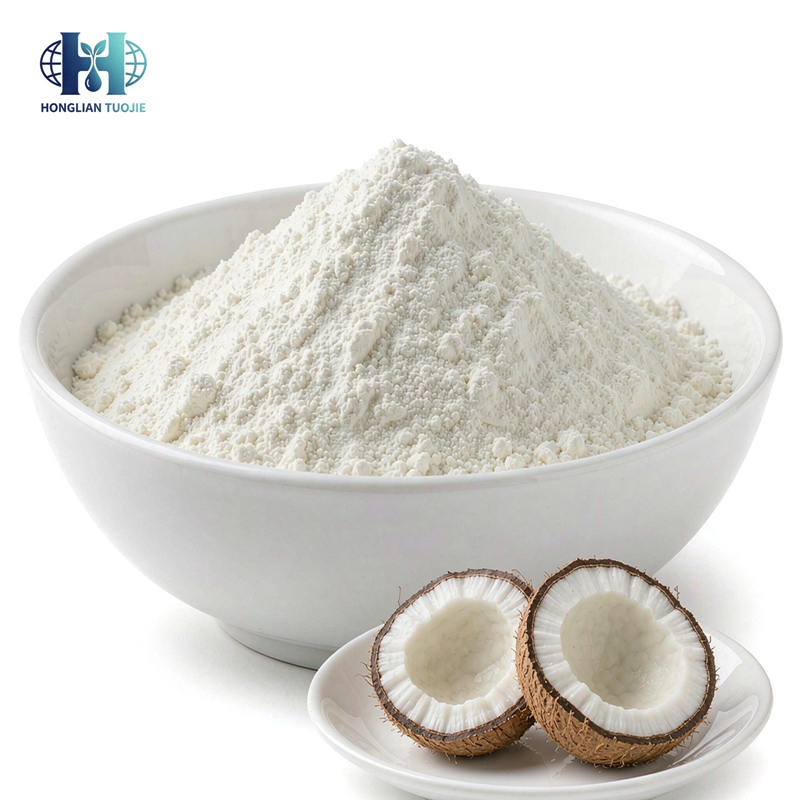
Coconut milk powder is made from fresh coconut meat — juiced, concentrated, filtered and spray dried into a free-flowing powder.
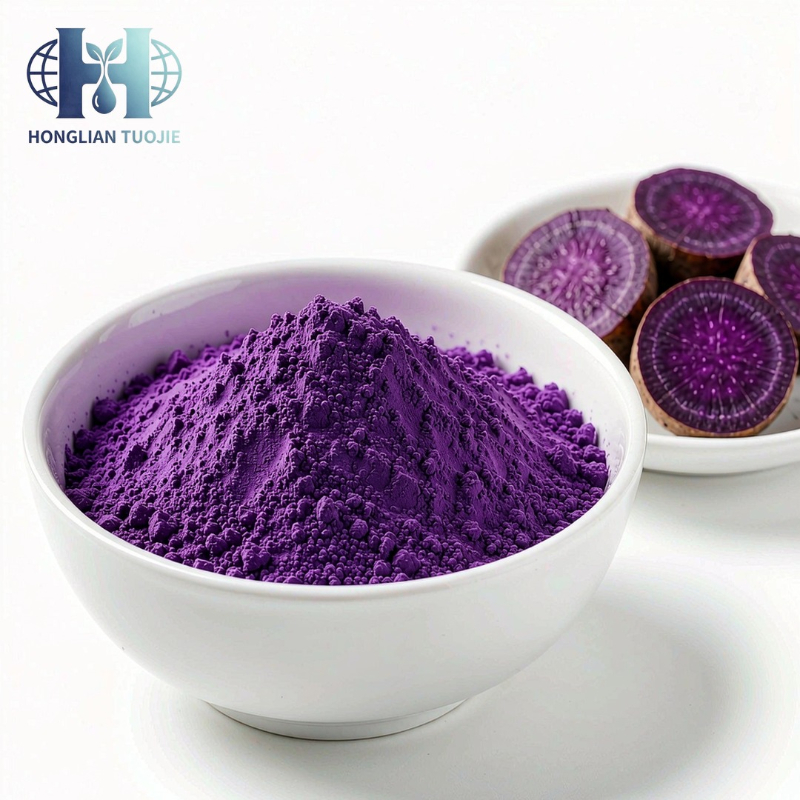
Purple yam powder — also sold as ube powder or purple Chinese yam powder — is made from authentic Dioscorea alata.
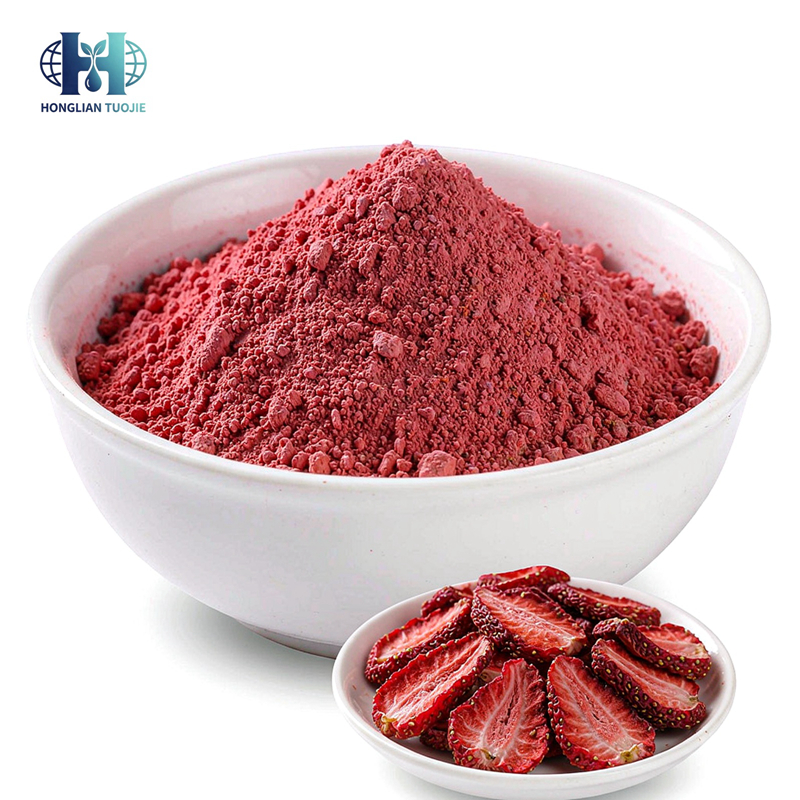
Freeze Dried Strawberry Powder
Freeze dried strawberry powder is made from natural strawberries using vacuum freeze drying.
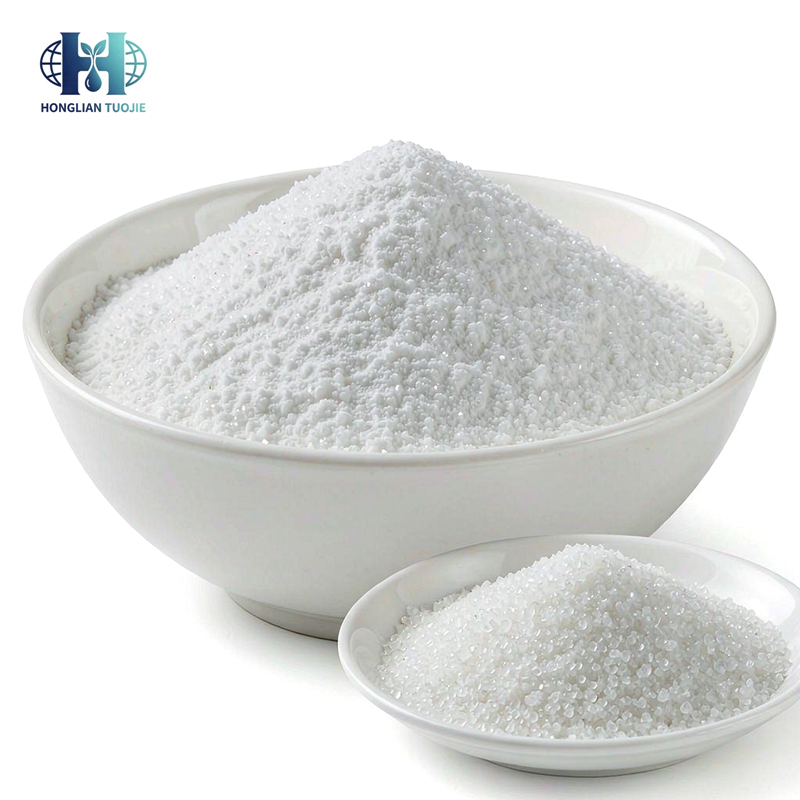
Erythritol is a high-purity sugar-alcohol sweetener, 99% assay, naturally fermented from corn or wheat starch.
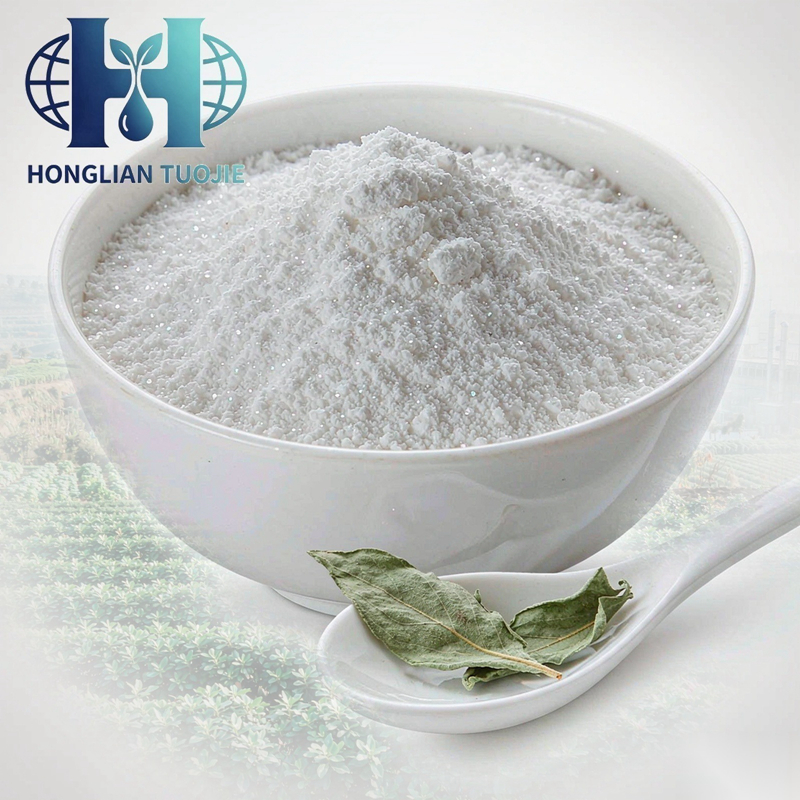
Stevia leaf extract is a natural high-intensity sweetener obtained from Stevia rebaudiana leaves through water extraction and purification.
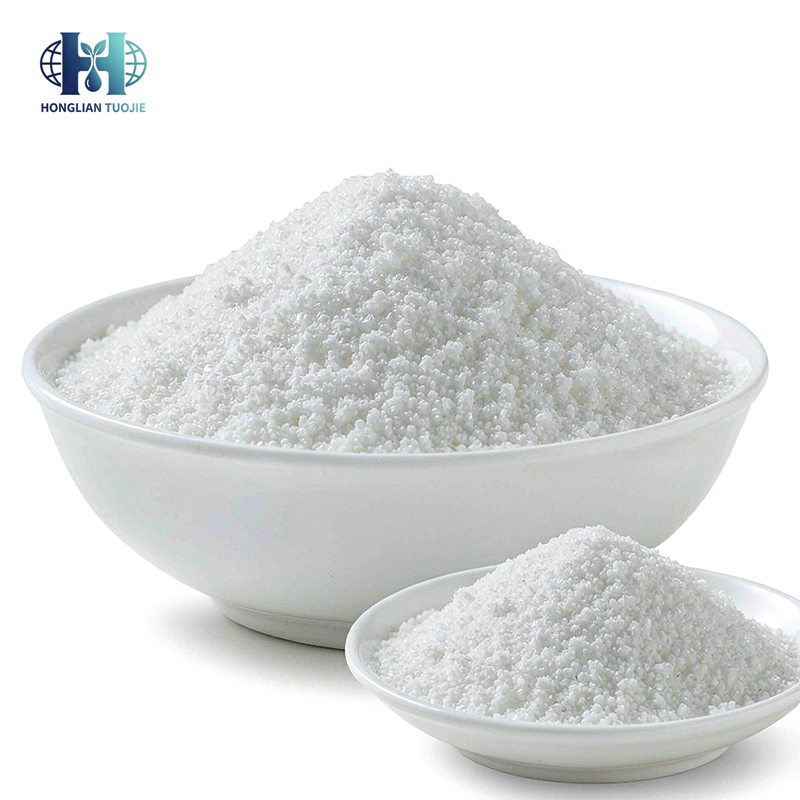
Allulose powder (D-allulose, D-psicose) is a rare sugar that delivers a sugar-like sweetness at about 70% of sucrose, with almost zero calories and a taste and texture close to real sugar.
Navigation
Navigation
Product Categories
Product Categories
Contact Us
Telephone: +86 150 5757 4568
E-mail: info@honglianherb.com
WhatsApp: +86 150 5757 4568
Address: 2420-1Room 2420, Chengyuan Tower, 5052 Airport Avenue, Binjiang St, Lucheng Dist, Wenzhou, Zhejiang. China.
Get in Touch
Get in Touch